Switch from Multiplier to a Local Philippines EOR: 2026 Migration Guide
Author: Martin English
Published: June 4, 2026
Companies often start with a global EOR platform when they are testing international hiring across several countries. As a Philippine team becomes larger or more important, the buying question may change:
Should we keep using a global EOR platform, or move our Philippine employees to a local Philippines-focused EOR?
Switching from Multiplier to a local Philippines EOR should not be treated as a simple vendor replacement. It affects employees through payroll accuracy, benefits continuity, support channels, employment documents, data transfer and first-payroll setup.
Direct answer: To switch from Multiplier to a local Philippines EOR, review the current contract and exit terms, confirm which employees will move, collect payroll and benefits records, validate salary and leave data, prepare new employment documentation, communicate clearly with employees, complete cutover only after payroll readiness checks and review the first 30, 60 and 90 days after migration.
This guide does not assume Multiplier is unsuitable for every business. Multiplier publicly describes EOR, payroll and benefits support for hiring in the Philippines. A switch should be based on whether your Philippine workforce now needs a more local operating model, different support structure, clearer cost visibility or closer employee coordination.
For the broader tactical migration process, read Switching EOR Providers in the Philippines in 30 Days.
TL;DR: Switching from Multiplier to a Local Philippines EOR
| Question | Practical Answer |
| Can you switch from Multiplier to a local Philippines EOR? | Potentially, yes, if contract terms, employee records, payroll setup and benefits are managed carefully. |
| Does Multiplier support EOR hiring in the Philippines? | Yes. Multiplier publicly describes EOR hiring, payroll and benefits administration for the Philippines. |
| Why evaluate a local Philippines EOR? | To compare local payroll coordination, employee support, account ownership, cost visibility and transition support. |
| Is a local EOR automatically better? | No. A local EOR may fit better only if it matches your Philippine workforce needs, support expectations and cost model. |
| What is the biggest migration risk? | Payroll errors, incomplete employee data, unclear benefits treatment and poor employee communication. |
| What should be reviewed first? | Contract exit terms, employees in scope, payroll history, leave data, benefits and any deposit or reserve treatment. |
| Is a 30-day switch always possible? | Not always. Timing depends on notice terms, headcount, data availability, payroll complexity and benefit arrangements. |
| What happens after cutover? | Review first payroll, benefits, payslips, employee questions, reporting quality and unresolved handover items. |
What Does Multiplier Publicly Offer in the Philippines?
Multiplier’s Philippines EOR page describes Employer of Record hiring in the Philippines, including the ability to hire without setting up a local entity, plus payroll, benefits administration and onboarding support.
That means the reason to evaluate a local Philippines EOR is not that Multiplier cannot support Philippine employment. The question is whether your current provider model still fits your team.
| Buyer Requirement | Question to Compare |
| Philippine headcount is growing | Do we need deeper country-specific support? |
| Employees need local answers | How are payroll, benefits and documentation questions handled? |
| Finance needs clearer reporting | What payroll and cost evidence does each provider provide? |
| HR wants accountability | Is there a named operational contact and escalation route? |
| Costs need review | What is recurring, one-off, conditional or refundable? |
| Future flexibility matters | What notice, handover, data and deposit terms apply? |
A fair comparison should be based on written proposals, current contracts and actual service requirements.
When Should You Consider Moving from Multiplier to a Local Philippines EOR?
A business may consider a local EOR when its Philippine workforce becomes strategically important enough to need a more country-specific operating model.
Common triggers include:
- The Philippine team is no longer a small test market.
- HR or finance needs more local payroll visibility.
- Employees need clearer support for payslips, benefits or documentation.
- The business wants a named account contact familiar with Philippine operations.
- Cost comparisons require a more detailed role-by-role breakdown.
- Contract exit terms, deposits or future flexibility need review.
- The company wants to shift from global platform coverage to local workforce coordination.
A switch should begin with a requirements review, not a conclusion that one provider type is always better than another.
When Might Staying with Multiplier Still Make Sense?
Staying with a global EOR platform may still be the better option if it continues to match your workforce model.
| Situation | Why Staying May Make Sense |
| You employ staff across several countries | A global platform may simplify international administration. |
| Your Philippine team is still small | Switching may create more effort than value if the current model works. |
| Payroll and benefits are running smoothly | Avoid unnecessary disruption where there is no clear problem to solve. |
| Your HR team values centralised global workflows | Platform consistency may matter more than country-specific support depth. |
| Current costs and reports are already clear | A switch should not be made only because another option appears different. |
| Contract terms are flexible and employees are supported well | There may be no urgent operational reason to move. |
This section is important: the goal is not to switch for the sake of switching. The goal is to choose the provider model that best protects employees and supports the Philippine workforce plan.
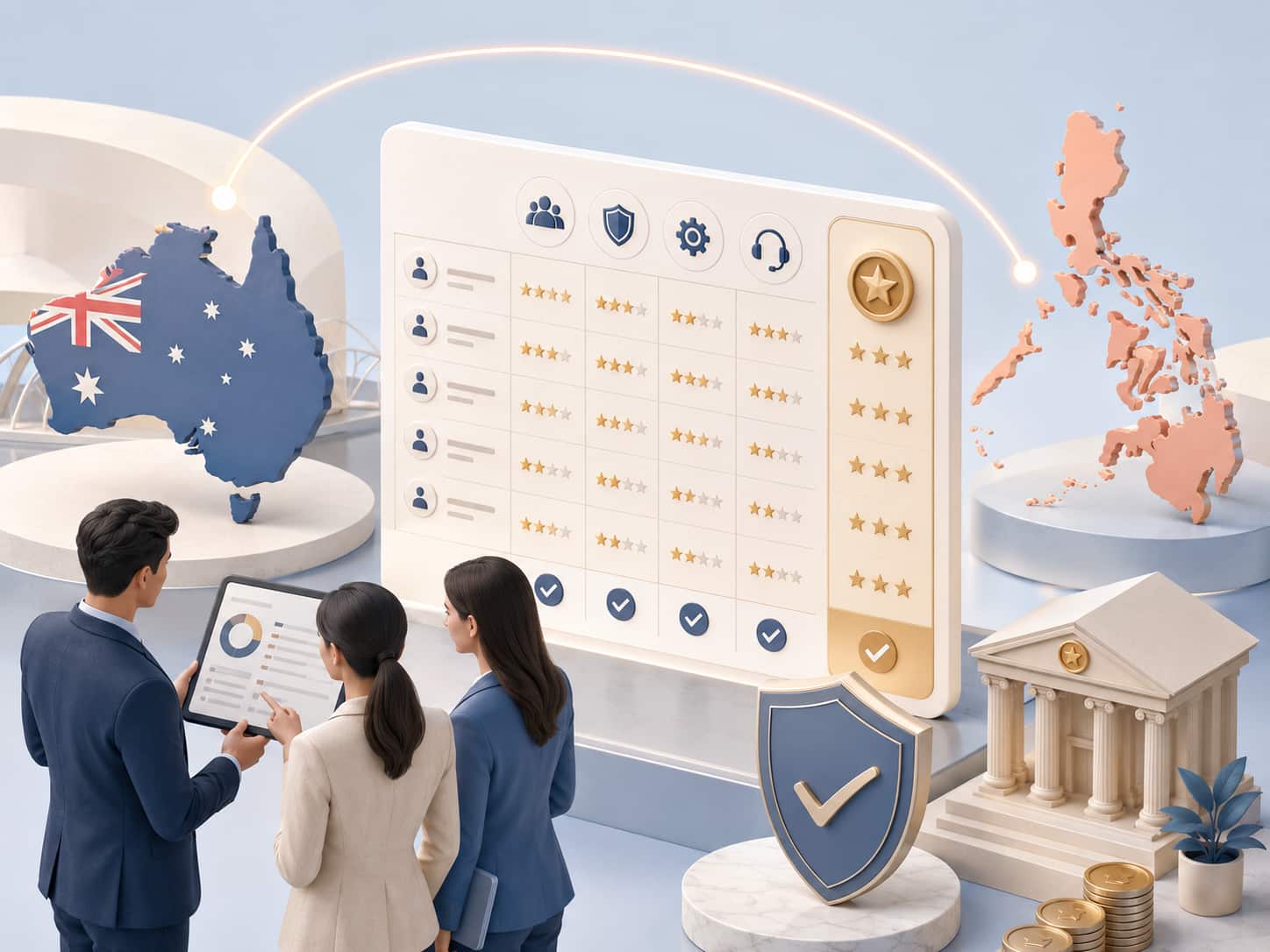
Multiplier vs Local Philippines EOR: What Should You Compare?
| Comparison Area | What to Review |
| Employing Entity | Which entity employs Philippine staff under each arrangement? |
| Payroll Process | How are payroll inputs, approvals, corrections and payslips handled? |
| Employee Support | Who answers employee questions about payroll, benefits and documentation? |
| Account Ownership | Is there a named account contact or clear escalation route? |
| Benefits Administration | What benefits are included, optional or separately charged? |
| Cost Visibility | Are salary, employer costs, benefits, EOR fees and pass-through costs shown separately? |
| Security Deposit or Reserve | Is any deposit required, and how is it calculated, deducted or refunded? |
| Contract Exit | What notice, handover and employee-transfer terms apply? |
| Data Transfer | How will employee and payroll records be securely transferred? |
| Post-Switch Support | How will the first payroll and early employee questions be reviewed? |
A local EOR may be a better fit when Philippine-specific service depth matters more than global platform breadth. A global EOR platform may remain appropriate where the business needs one provider across many countries.
What Should You Review Before Leaving Multiplier?
Before setting a migration date, review the current agreement and collect the information needed for a safe transition.
| Review Area | What to Confirm |
| Contract Exit Terms | Notice period, termination steps, data-access rights and any fees |
| Employees in Scope | Which Philippine employees will move to the new EOR |
| Employment Terms | Salary, role, schedule, benefits, allowances and any amendments |
| Payroll History | Recent payroll records, payslips and recurring pay components |
| Leave Records | Approved leave balances and pending leave items |
| Benefits | HMO or benefit coverage, dependents, effective dates and open claims |
| Deposits or Reserves | Whether any funds are held and how unused balances are reconciled |
| Open Issues | Existing payroll, benefits or employee-support concerns |
| Data Transfer | Secure process for sharing employee records with the incoming EOR |
Before committing to a migration date, review Flexible EOR Contract Terms and Exit Clauses so notice periods, exit rights, employee-transfer terms, data portability and refund conditions are clear.
Safe Migration Process: Multiplier to Local Philippines EOR
A safe migration has four phases: prepare, validate, communicate and review.
| Phase | What Happens | Main Risk to Avoid |
| 1. Prepare | Confirm reason for switching, employees in scope, contract terms and record requirements | Switching without solving the real issue |
| 2. Validate | Check salary, payroll, leave, benefits and employment-document data | Incorrect setup with the incoming EOR |
| 3. Communicate | Explain the provider change, effective date, employee actions and support contacts | Employee confusion or anxiety |
| 4. Review | Check first payroll, benefits, payslips and unresolved handover items | Issues continuing after go-live |
Phase 1: Prepare the Switch
Preparation should happen before employees are asked to sign new documents or before a cutover date is promised.
| Preparation Step | Why It Matters |
| Confirm the reason for switching | Ensures the new provider solves the real issue |
| Identify employees in scope | Prevents missing staff or incorrect setup |
| Review current contract terms | Confirms notice, exit and handover obligations |
| Request employee and payroll records | Supports accurate onboarding with the incoming EOR |
| Map salary and recurring items | Reduces payroll setup errors |
| Review benefits and dependents | Helps avoid benefit gaps |
| Assign migration owners | Clarifies who approves payroll, documents and communication |
Phase 2: Validate Payroll, Benefits and Documents
| Validation Area | What to Check |
| Employee Details | Names, start dates, roles and reporting lines match the roster |
| Salary and Allowances | Approved compensation is mapped correctly |
| Work Schedule | Hours, shifts and rest-day assumptions are clear |
| Leave Data | Approved balances and pending requests are reviewed |
| Benefits | Coverage, enrolment and effective dates are confirmed |
| Payroll Cut-Offs | Approval dates and first-payroll responsibilities are agreed |
| Employment Documents | Required documents are prepared and explained |
| First Payroll Setup | Values are checked before the first live payroll cycle |
Do not go live if salary data, benefits or employee records are incomplete. A rushed switch can create the disruption the migration was meant to fix.
Phase 3: Communicate With Employees
Employees should understand the reason for the change and how it affects them.
| Employee Question | What Communication Should Cover |
| Why is the provider changing? | Business reason for the transition |
| Who will employ me after the switch? | New local employment arrangement and effective date |
| Will my role or manager change? | Whether day-to-day work changes |
| Will my pay change? | Whether salary and recurring pay items remain the same or require updated terms |
| What happens to my benefits? | Confirmed benefit arrangements and any employee action needed |
| What documents do I need to sign? | New onboarding or employment documentation |
| Who do I contact? | Support contacts for payroll, benefits and employment questions |
Avoid saying “nothing changes” unless all employee terms and benefit details have been verified. A safer message is that the company intends to preserve day-to-day continuity while payroll, documentation and benefits are formally confirmed through the migration.
Phase 4: Cut Over and Review First Payroll
| Post-Cutover Check | What to Review |
| Employee Pay | Salary and recurring items were processed correctly |
| Payslips | Employees received appropriate payroll documentation |
| Benefits | Coverage or enrolment issues are identified quickly |
| Leave Records | Balances and pending items are accurate |
| Employee Questions | Concerns are logged and resolved |
| Provider Responsiveness | Escalations receive timely support |
| Payroll Evidence | HR and finance receive agreed reports or records |
| Open Items | Remaining handover issues are tracked to closure |
Use the 30/60/90-Day Post-Switch Health Check for a Philippines EOR to validate payroll accuracy, benefits continuity, employee support, compliance evidence and provider responsiveness after the move.
What Data Do You Need to Move Employees from Multiplier?
The incoming EOR will need enough data to set up employees correctly without unnecessary exposure of personal information.
| Data Category | Examples |
| Employee Master Data | Legal name, contact details, start date, role and reporting line |
| Compensation | Salary, recurring allowances, approved variable items and work schedule |
| Payroll Records | Recent payroll history, payslip records and relevant year-to-date information |
| Leave Data | Approved balances and pending requests |
| Benefits | HMO or benefit details, dependents and effective dates where applicable |
| Employment Documents | Current employment terms, amendments and required acknowledgements |
| Local Administration Records | Available records relevant to payroll and employment administration |
| Open Issues | Payroll questions, benefit concerns or unresolved provider items |
| Data Controls | Secure transfer method, access limits and record-retention expectations |
Data transfer should be limited to what the incoming provider needs and handled through a secure process.
How to Protect Payroll and Benefits During the Switch
Payroll and benefits are the areas employees notice first.
| Risk | Prevention |
| Incorrect salary setup | Validate salary and recurring pay items before go-live |
| Missing allowances | Map all approved recurring components |
| Benefit gap | Confirm coverage, enrolment and effective dates before employee communication |
| Leave-balance error | Review approved balances before cutover |
| Duplicate or missed payroll | Align payroll periods, cut-offs and approval ownership |
| Unclear payslips | Explain payroll document changes before the first cycle |
| Slow issue handling | Provide named contacts and escalation routes |
A good switch should preserve employee trust as well as improve provider fit.
Month-End vs Mid-Month Switch
A month-end switch is often simpler because it can create a cleaner payroll period. A mid-month switch may still be possible, but it usually requires more detailed coordination.
| Cutover Option | When It May Fit | Key Risk |
| Month-End Switch | Standard planned migration | Must align with notice, document and payroll deadlines |
| Mid-Month Switch | Urgent provider change or contract timing issue | Payroll split, leave and benefit treatment may be more complex |
| Staged Migration | Larger or more complex teams | Requires longer coordination and more tracking |
Choose the cutover date based on contract terms, payroll readiness, benefit continuity and employee communication.
Moving VA or Admin Teams from Multiplier to a Local EOR
Some Philippine teams start as VA, admin or support roles and later become a more permanent part of the business. If the team being moved from Multiplier includes virtual assistants or administrative staff, the migration should address role continuity and system access as well as payroll.
Review:
- Which VA or admin roles are moving.
- Whether responsibilities and reporting lines will stay the same.
- Which systems and inboxes they access.
- Whether permissions need to be updated.
- Whether any contractor-to-employee or provider-transfer issues exist.
- Who will answer employee questions during the change.
For a role-specific pathway, read Transfer Virtual Assistant Teams to an EOR in the Philippines.
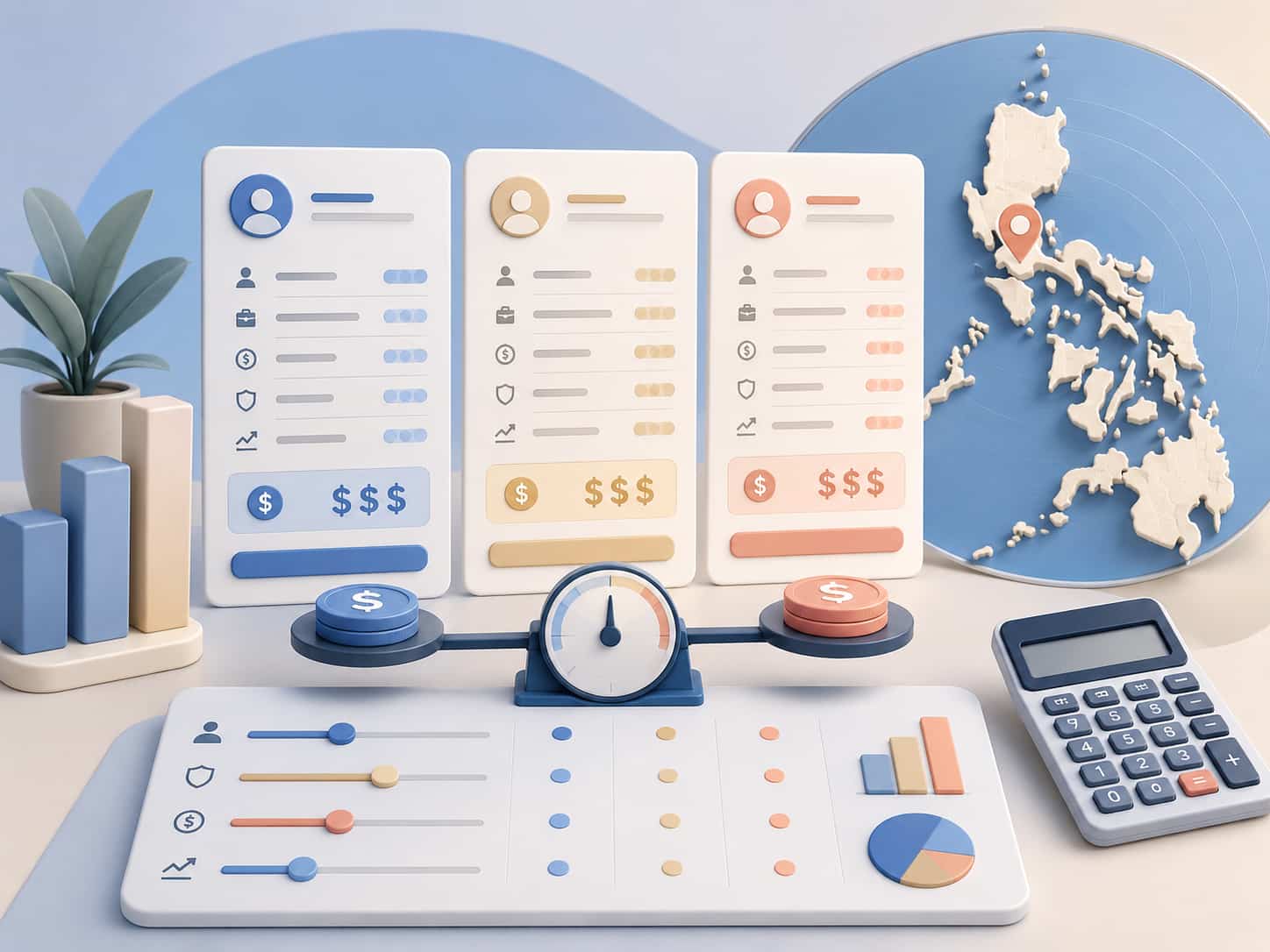
How to Compare the Incoming Local EOR
A replacement provider should be assessed on more than price.
| Evaluation Area | Questions to Ask |
| Employing Entity | Which Philippine entity will employ the workers? |
| Payroll Process | How are payroll inputs, approvals and corrections managed? |
| Employee Support | How do employees raise payroll, benefits or employment-administration questions? |
| Account Ownership | Will there be a named contact or clear escalation process? |
| Benefits | What benefits are included, optional or separately charged? |
| Pricing | What is recurring, one-off, optional, refundable or conditional? |
| Security Deposit | Is a deposit or reserve required, and how is it refunded? |
| Data Protection | How will employee records be stored, transferred and deleted? |
| Exit Flexibility | What happens if the company later switches again or sets up its own entity? |
For ongoing support expectations, read Dedicated Account Manager Support Model in EOR Services.
What Costs Should You Expect During the Switch?
Switching providers can create temporary or one-off costs. Review these before approving the migration.
| Cost Area | What to Review |
| Outgoing Provider Notice | Fees or payments required during the notice period |
| Data Export or Handover | Whether records are included or separately charged |
| New Provider Setup | Onboarding, employment-document or payroll-configuration charges |
| Salary and Payroll Funding | Timing of first payroll with the new provider |
| Benefits | Enrolment, transition or coverage-related costs |
| Security Deposit or Reserve | Whether the incoming provider requires upfront funding |
| Internal Time | HR, finance and management effort during transition |
| Post-Switch Corrections | Time or costs required to fix issues after go-live |
If the incoming local EOR requires a security deposit or employee-exit reserve, request the calculation method, permitted deductions and refund timeline before approving the migration.
30-Day Migration Checklist: Multiplier to Local EOR
A 30-day switch may be feasible where contract terms, records and provider cooperation allow it. For complex teams, plan for more time.
| Timing | Checklist |
| Days 1–5 | Confirm migration reason, employee scope, owners and target cutover |
| Days 6–10 | Review contract exit terms, data rights, notice and deposit treatment |
| Days 11–15 | Collect employee, payroll, leave, benefits and document records |
| Days 16–20 | Configure incoming EOR setup and validate payroll data |
| Days 21–25 | Communicate with employees and complete document requirements |
| Days 26–30 | Confirm readiness, complete cutover and monitor first payroll |
| After Go-Live | Review payroll, benefits, employee questions and unresolved issues |
For a broader operational checklist, use Switching EOR Providers in the Philippines in 30 Days.
Common Mistakes When Switching from Multiplier
| Mistake | Why It Creates Risk | Better Approach |
| Switching only because of price | Lower fees may hide weaker support or unclear costs | Compare total cost and service scope |
| Not reviewing exit terms early | Notice, deposit or data issues can delay migration | Review the contract first |
| Poor payroll data handover | Employees may be paid incorrectly | Validate payroll records before cutover |
| Assuming benefits continue automatically | Coverage gaps can occur | Confirm effective dates and employee actions |
| Telling employees too late | Creates anxiety and confusion | Communicate early with clear contact routes |
| No post-switch audit | Issues may go unresolved | Run 30/60/90-day checks |
| No owner for the migration | Tasks fall between providers | Assign client, outgoing-provider and incoming-provider responsibilities |
Frequently Asked Questions
Can You Switch from Multiplier to a Local Philippines EOR?
Potentially, yes. A switch depends on contract terms, employee records, payroll setup, benefits, documentation and the incoming provider’s migration process.
Does Multiplier Support Hiring Employees in the Philippines?
Yes. Multiplier publicly describes EOR hiring in the Philippines, including hiring without setting up a local entity, payroll, benefits and onboarding support.
Why Would a Company Move from Multiplier to a Local Philippines EOR?
A company may evaluate a local EOR when its Philippine workforce becomes larger or more important and the business wants closer local payroll support, employee assistance, account ownership or cost visibility.
When Might Staying with Multiplier Make Sense?
Staying may make sense if your business employs staff across several countries, needs centralised global workflows, has a small Philippine team and is satisfied with payroll, support, reporting and contract flexibility.
Is a Local Philippines EOR Automatically Better Than Multiplier?
No. The right provider depends on workforce location, support needs, contract terms, cost model, payroll evidence, employee experience and future expansion plans.
How Long Does It Take to Switch from Multiplier to Another EOR?
Timing depends on notice periods, employee count, payroll complexity, benefit arrangements, data availability and document readiness. A 30-day plan may be possible for straightforward migrations, but complex teams may need longer.
Will Employees Keep Their Salary and Benefits?
Salary, benefits and employment terms should be confirmed in the transition documentation. Do not assume everything continues automatically without review.
What Should Be Checked After the First Payroll?
Check salary accuracy, payslips, benefits, leave records, employee questions, reporting quality and unresolved handover items.
Switch from Multiplier Without Losing Employee Trust
A successful EOR migration protects employees as much as it changes providers. Payroll accuracy, benefit continuity, communication and post-switch support determine whether the transition feels smooth.
Smart Outsourcing Solution helps international businesses review EOR provider transitions in the Philippines, plan payroll and employee-data handovers, and establish a clearer local employment-support model.
Discuss your Philippines EOR switch plan with Smart Outsourcing Solution.
Editorial Note: Multiplier is a trademark of its respective owner. This guide is intended to help buyers compare EOR options and migration requirements. It does not claim affiliation with Multiplier or make unsupported assertions about any customer’s current Multiplier contract, pricing or service experience.
Disclaimer: This guide provides general operational information only. It is not legal, employment, payroll or tax advice. EOR contract terms, employee documentation, benefits, payroll obligations and migration requirements should be reviewed with appropriate advisers and current provider agreements before making changes.