Unlocking Global Talent: Why an Employer of Record (EOR) Might Be Your Business’s Best Next Move
Published: Mar 26, 2025
Author: Martin English
TL;DR
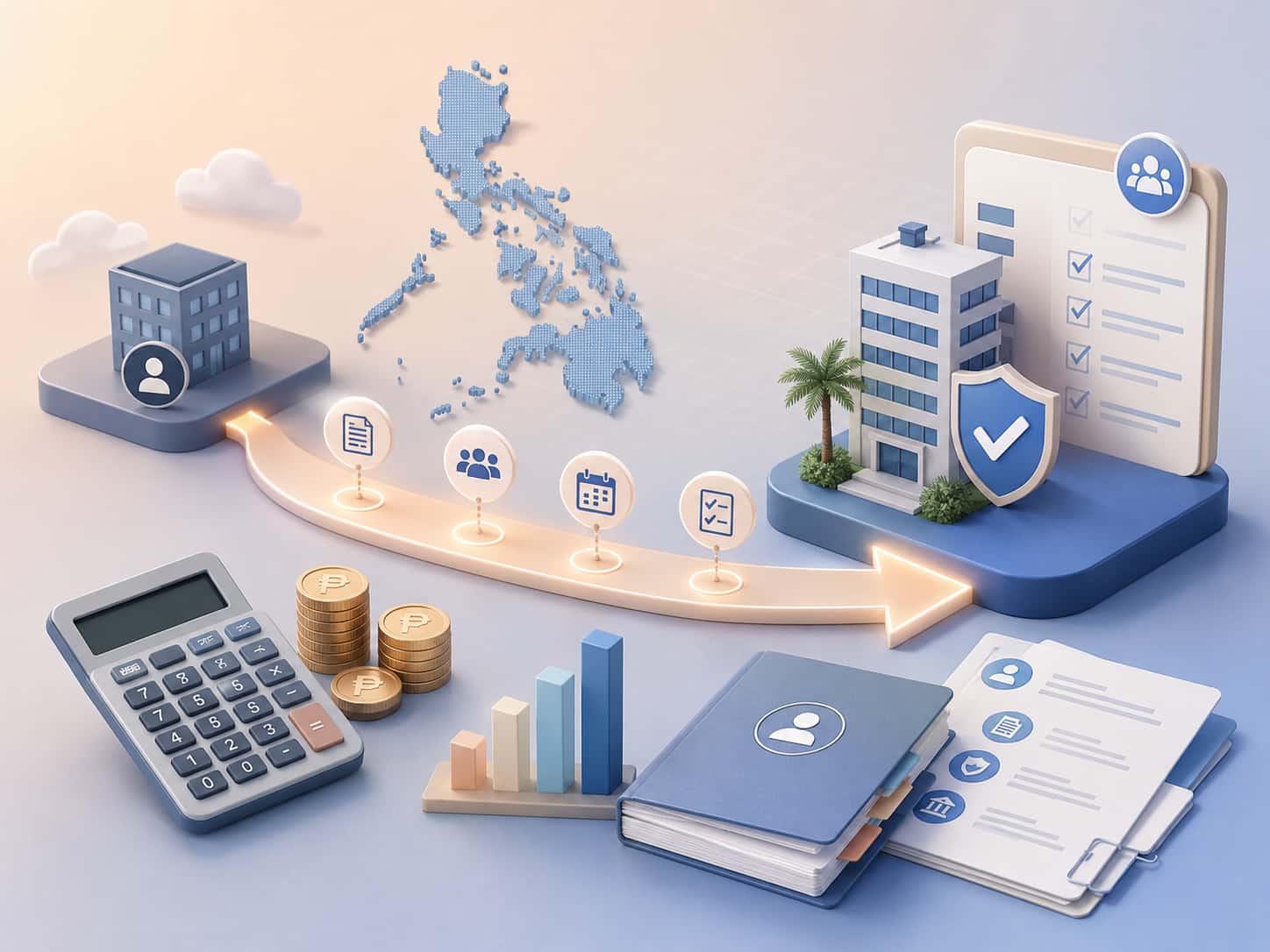
An Employer of Record (EOR) helps companies hire employees in the Philippines without setting up a local legal entity. The EOR manages employment contracts, payroll, tax compliance, statutory benefits, and HR administration while your business manages the employee’s day-to-day work.
For companies expanding offshore, an EOR can reduce setup timelines, improve compliance visibility, and simplify international hiring.
This guide explains:
- how an EOR works in the Philippines
- what compliance proof a Philippines EOR should provide
- how payroll compliance works
- what statutory benefits are legally required
- EOR vs contractor vs local entity structures
- common offshore hiring risks
- typical setup timelines
If you are evaluating offshore hiring more broadly, see our guide to Hire Remote Teams in the Philippines.
What Is an Employer of Record (EOR)?
An Employer of Record (EOR) is a third-party organisation that legally employs workers on behalf of another company.
The client company directs the employee’s responsibilities and performance, while the EOR manages:
- employment contracts
- payroll administration
- tax withholding and remittance
- government contributions
- HR administration
- statutory compliance
- employee onboarding
This structure allows businesses to hire in the Philippines without immediately establishing a local entity.
Businesses comparing hiring models should also review Employer of Record Philippines: Local vs Global Providers to understand operational and compliance differences between EOR structures.
Why Businesses Use an EOR in the Philippines
Companies commonly use a Philippines EOR when they want to:
- hire quickly without entity setup delays
- reduce compliance exposure
- access specialised offshore talent
- support distributed teams
- test a new market before incorporation
- centralise payroll and HR operations
Typical roles hired through a Philippines EOR include:
Operations and Back-Office Roles
- executive assistants
- bookkeepers
- payroll administrators
- virtual assistants
- operations coordinators
Customer and Technical Roles
- customer support specialists
- SDRs and sales support staff
- software developers
- data analysts
- digital marketers
- project managers
How Payroll Compliance Works in the Philippines
Payroll compliance in the Philippines involves more than processing salaries.
A compliant EOR should manage:
Mandatory Government Contributions
Employers must calculate and remit contributions to:
- SSS
- PhilHealth
- Pag-IBIG
- BIR payroll taxes
Payslips and Payroll Reporting
Employees should receive compliant payroll documentation showing:
- salary calculations
- tax deductions
- government contributions
- leave adjustments
- overtime or allowances
Leave and Holiday Compliance
Philippines employees may also be entitled to:
- service incentive leave
- holiday pay
- overtime pay
- night differential pay
- 13th month pay
For more detail on payroll visibility and buyer controls, see Payroll Transparency & Approval Processes.
What Statutory Benefits Do Philippines Employees Need?
A compliant Philippines EOR should ensure employees receive legally required benefits and contributions.
Mandatory benefits commonly include:
- SSS contributions
- PhilHealth contributions
- Pag-IBIG contributions
- 13th month pay
- statutory leave entitlements
Some employers also offer:
- HMO or private healthcare
- internet allowances
- equipment support
- performance incentives
- training and development support
Well-structured benefits often improve retention and long-term workforce stability.
What Compliance Proof Should a Philippines EOR Provide?
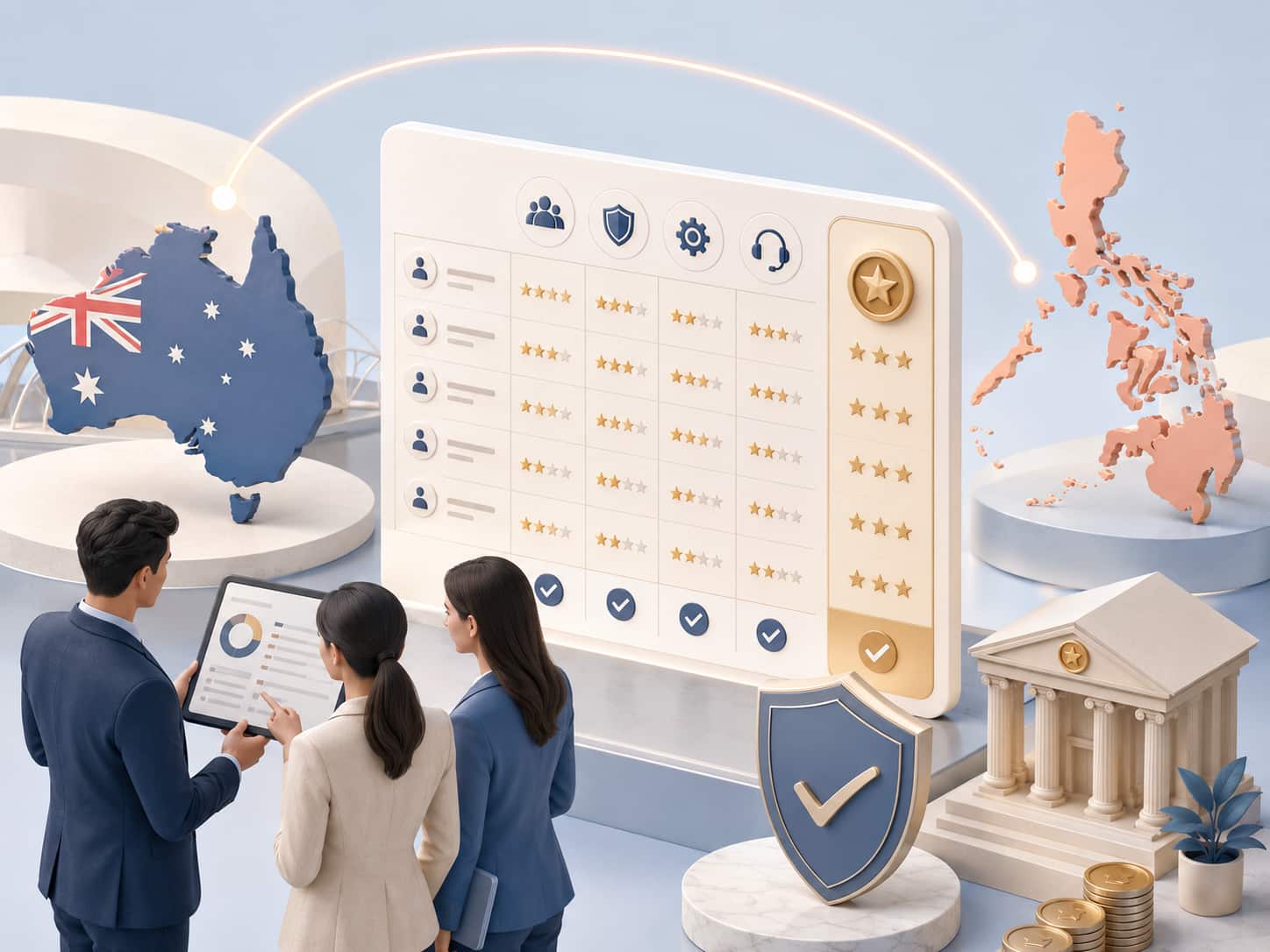
Not all EOR providers operate with the same level of legal transparency and operational control.
Before engaging an EOR, businesses should request evidence of:
Direct Legal Entity Ownership
Determine whether the EOR:
- operates through its own Philippines entity
- relies on third-party aggregators
- outsources payroll functions
This becomes especially important for regulated industries and larger offshore teams.
For a deeper breakdown, see Why Legal Entity Ownership Matters in EOR.
Government Remittance Records
A compliant EOR should be able to evidence:
- SSS remittances
- PhilHealth remittances
- Pag-IBIG remittances
- BIR filings
Security and Data Governance
Companies should also assess:
- access controls
- confidentiality standards
- device management policies
- offshore data protection procedures
This is particularly important for fintech, healthcare, AI, and customer support operations handling sensitive information.
Related reading: Offshore Data Security & IP Protection.
EOR vs Contractors vs Local Entity
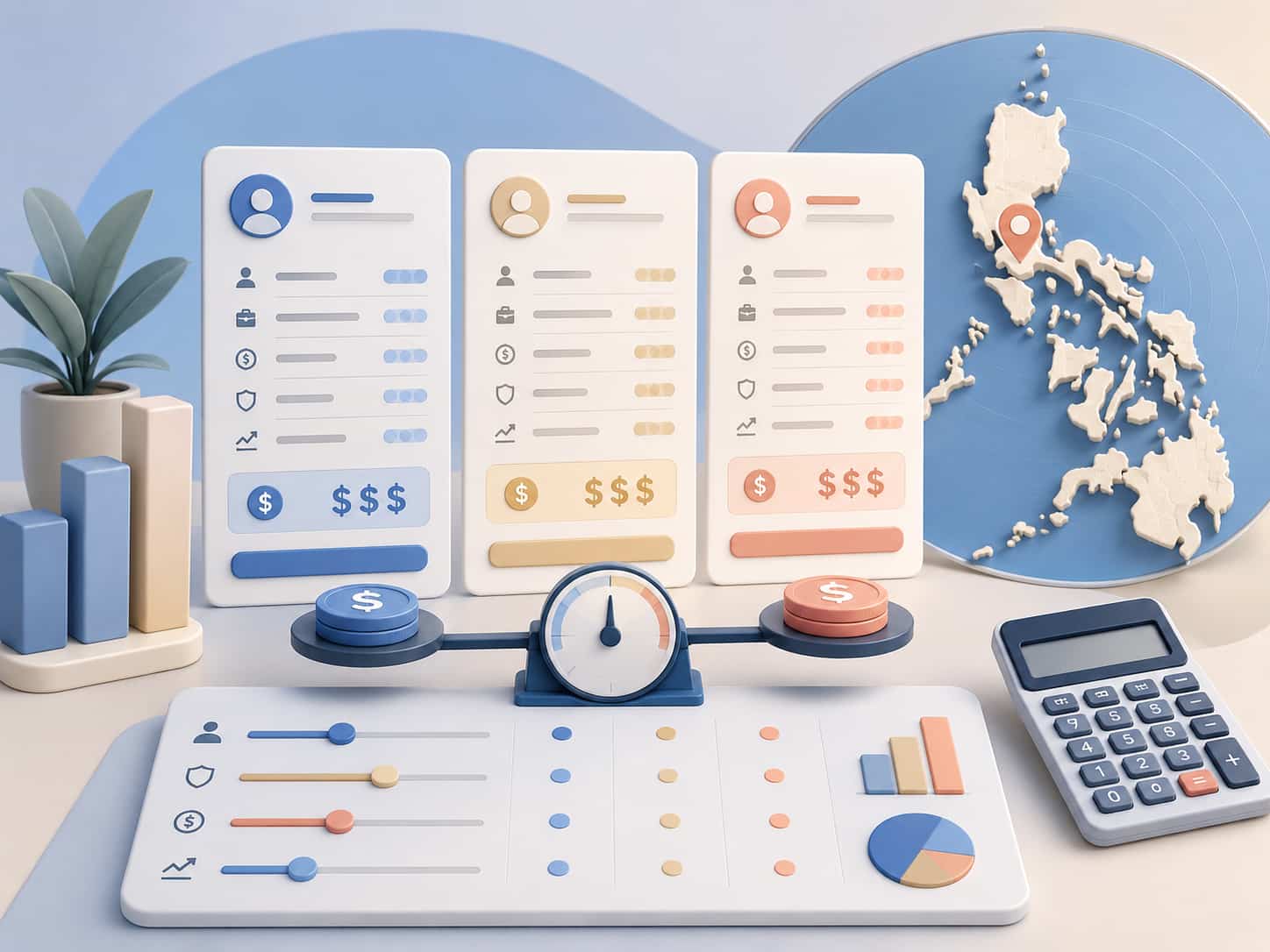
Choosing the right structure depends on hiring scale, compliance requirements, and long-term operational plans.
| Option | Best For | Main Consideration |
| EOR | Fast compliant hiring | Ongoing service costs |
| Contractors | Short-term project work | Misclassification risk |
| Local Entity | Long-term market presence | Higher setup overhead |
When an EOR Often Makes Sense
An EOR is commonly suitable when:
- entering the Philippines for the first time
- hiring under 20–30 employees initially
- building remote teams quickly
- testing offshore operations
- needing centralised compliance support
Companies scaling larger offshore operations may also benefit from reviewing Philippines EOR Scaling Teams.
Typical Philippines EOR Setup Timeline
A Philippines EOR can often onboard employees faster than establishing a subsidiary.
Typical timelines include:
| Stage | Estimated Timeline |
| Candidate selection | Varies |
| Offer and contract preparation | 1–3 business days |
| Employee onboarding | 3–10 business days |
| Payroll and compliance setup | 1–2 weeks |
Timelines depend on hiring complexity, documentation readiness, and notice periods.
Risks Companies Should Understand
An EOR simplifies international hiring, but businesses should still assess operational and compliance risks carefully.
Common Risks Include
- worker misclassification
- weak payroll visibility
- poor statutory compliance controls
- data security gaps
- fragmented offshore operations
- unclear aggregator-based EOR models
Operational transparency matters more than marketing claims.
Businesses evaluating compliance frameworks should also review Hiring in the Philippines: EOR Guide.
How Smart Outsourcing Solution (SOS) Supports Offshore Hiring
Smart Outsourcing Solution (SOS) helps international businesses build compliant offshore teams in the Philippines through structured Employer of Record and offshore staffing support.
SOS supports:
- payroll administration
- Philippines employment compliance
- offshore hiring support
- workforce onboarding
- HR operations
- multi-role remote team scaling
The organisation supports teams across customer support, operations, software development, finance, AI operations, and digital services.
FAQs
What does an Employer of Record do in the Philippines?
A Philippines EOR legally employs workers on behalf of a foreign company and manages payroll, taxes, statutory benefits, employment contracts, and labour compliance.
Can I hire Philippines employees without opening a local company?
Yes. An EOR allows businesses to hire employees in the Philippines without establishing a local legal entity.
What statutory benefits are required in the Philippines?
Required benefits typically include SSS, PhilHealth, Pag-IBIG contributions, 13th month pay, and statutory leave entitlements.
How long does Philippines EOR onboarding take?
Many EOR arrangements can onboard employees within one to two weeks depending on documentation readiness and hiring timelines.
What compliance proof should an EOR provide?
Businesses should request proof of government remittances, compliant payroll administration, employment contracts, and evidence of direct legal entity ownership.
Is an EOR better than hiring contractors?
For ongoing operational roles, an EOR often reduces worker misclassification and compliance risk compared to contractor arrangements.
Final Thoughts
An Employer of Record can provide a practical pathway for companies looking to access Philippines talent without the complexity of immediate entity setup.
The right EOR structure should improve compliance visibility, strengthen payroll governance, and support long-term offshore workforce stability.
Need help evaluating Philippines EOR options or building offshore teams?
Contact Smart Outsourcing Solution