Benefit Customisation: How It Attracts Talent and Beats “One-Size” EORs
Published: September 29, 2025
Author: Martin English
TL;DR
- Benefit customisation helps companies hire and retain offshore talent faster than rigid “one-size” EOR packages.
- In the Philippines, competitive offshore hiring increasingly depends on HMO quality, leave flexibility, remote allowances, career support, and employee experience — not just salary.
- Employer of Record (EOR) providers with flexible benefit structures typically outperform generic providers on:
- offer acceptance,
- retention,
- onboarding satisfaction,
- and workforce stability.
- Most companies can build compliant offshore teams in the Philippines within 2–6 weeks using an EOR model.
- Offshore hiring models carry different risks:
- contractors increase misclassification exposure,
- entity setup increases operational overhead,
- staffing agencies reduce control,
- while EOR balances compliance, speed, and flexibility.
- Enhanced benefits in the Philippines commonly add ₱1,500–₱4,500 per employee/month but often reduce turnover and rehiring costs significantly.
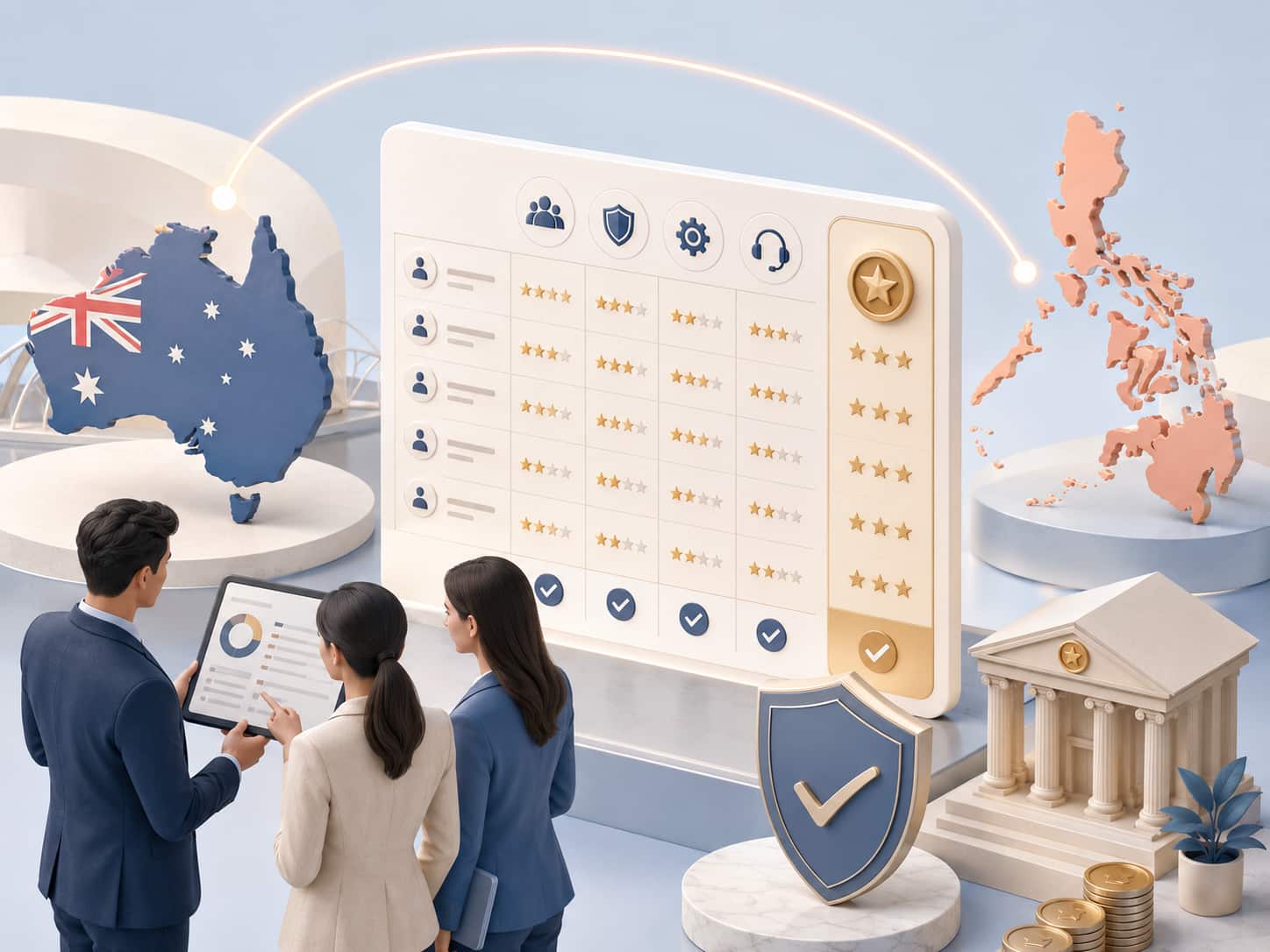
- Companies evaluating offshore hiring should compare:
- compliance support,
- payroll handling,
- onboarding capability,
- HR responsiveness,
- benefit flexibility,
- and long-term scalability — not just monthly pricing.
What Is Benefit Customisation in an EOR Model?
Benefit customisation means tailoring employee benefits and support programs around role requirements, local expectations, and retention goals instead of using a single standard package for every employee.
In an Employer of Record (EOR) arrangement, this can include:
- HMO upgrades
- Dependent healthcare coverage
- Flexible leave structures
- Internet and remote work stipends
- Learning and certification budgets
- Wellness support
- Equipment allowances
- Shift allowances
- Performance incentives
This is especially important for offshore hiring in the Philippines, where strong candidates increasingly evaluate:
- total employee experience,
- healthcare quality,
- schedule flexibility,
- remote work support,
- and career progression opportunities.
Generic EOR packages often struggle to compete against multinational employers and mature outsourcing operations.
For broader offshore hiring guidance, see:
Build Offshore Teams in the Philippines
Why “One-Size” EOR Packages Create Hiring Problems
Many low-cost EOR providers standardise benefits to simplify administration across multiple countries.
Operationally, this often creates four major problems.
Reduced Offer Acceptance
Candidates may reject offers when benefits do not align with local market expectations.
This is particularly common for:
- software engineers,
- finance professionals,
- operations managers,
- healthcare support teams,
- and senior customer support hires.
Higher Employee Turnover
Poor benefit alignment increases:
- early-stage attrition,
- counter-offer acceptance,
- burnout risk,
- and long-term disengagement.
Slower Offshore Hiring
Weak benefits reduce hiring competitiveness, increasing:
- recruitment cycles,
- sourcing costs,
- and vacancy duration.
Hidden Long-Term Costs
Cheaper EOR pricing often masks downstream costs such as:
- replacement hiring,
- retraining,
- productivity loss,
- onboarding repetition,
- and operational disruption.
See also:
Why Outsourcing Fails
How Benefit Customisation Improves Offshore Hiring in the Philippines
Better Alignment With Local Employee Expectations
In the Philippines, offshore employees commonly expect:
- HMO coverage
- 13th-month pay
- Paid leave
- Stable employment structure
- Career development support
- Remote work flexibility
- Performance recognition
Employers competing for experienced offshore talent increasingly need stronger employee experience strategies.
Faster Hiring for Competitive Roles
Benefit flexibility is especially valuable for roles such as:
| Role | Common Competitive Benefits |
| Software Developers | Learning budget, premium HMO, equipment |
| Customer Support Teams | Shift premiums, wellness support |
| Accountants | Dependent HMO, retention bonuses |
| Digital Marketers | Flexible schedules, certification support |
| Executive Assistants | Internet allowance, flexible leave |
| Operations Managers | Performance incentives, healthcare upgrades |
Stronger Retention Outcomes
Enhanced benefits commonly improve:
- onboarding satisfaction,
- employee stability,
- retention rates,
- and workforce continuity.
For scaling teams, this becomes operationally important because replacement hiring creates:
- retraining costs,
- workflow disruption,
- management overhead,
- and delayed productivity.
Related resource:
Scale Offshore Teams
Offshore Hiring Philippines vs EOR: What’s the Difference?
One common buyer question is:
“What is the difference between offshore hiring and using an EOR in the Philippines?”
Offshore Hiring
Offshore hiring refers broadly to employing talent in another country.
This can include:
- contractors,
- staffing agencies,
- local entities,
- BPO providers,
- Professional Employer Organisations (PEOs),
- or Employer of Record providers.
Employer of Record (EOR)
An EOR is a compliant employment structure where the provider legally employs staff on your behalf while managing:
- payroll,
- statutory compliance,
- employment contracts,
- benefits administration,
- onboarding,
- and HR support.
Why Many Companies Choose EOR First
EOR is often the preferred option when companies:
- need fast hiring,
- lack a Philippine entity,
- want lower compliance risk,
- need payroll support,
- or are testing offshore expansion before incorporating locally.
When an EOR Makes the Most Sense
| Business Situation | Recommended Model |
| Testing offshore hiring | EOR |
| Hiring 1–20 employees quickly | EOR |
| Long-term large-scale expansion | Local entity |
| Temporary project staffing | Contractor or staffing agency |
| Complex enterprise outsourcing | BPO or hybrid model |
See more:
Best Way to Hire Offshore Staff in the Philippines
The best offshore hiring structure depends on:
- hiring speed,
- compliance requirements,
- workforce size,
- management preferences,
- and long-term expansion plans.
Offshore Hiring Model Comparison
| Hiring Model | Speed | Compliance Risk | Benefit Flexibility | Operational Control | Best For |
| Contractors | Fast | High | Limited | Medium | Short-term work |
| Staffing Agency | Medium | Medium | Limited | Low-Medium | Temporary staffing |
| Local Entity | Slow | Low | Full | High | Large-scale operations |
| Employer of Record | Fast-Medium | Low | High | High | Rapid compliant hiring |
For most international companies hiring in the Philippines for the first time, EOR provides the best balance between:
- speed,
- compliance,
- employee experience,
- and operational simplicity.
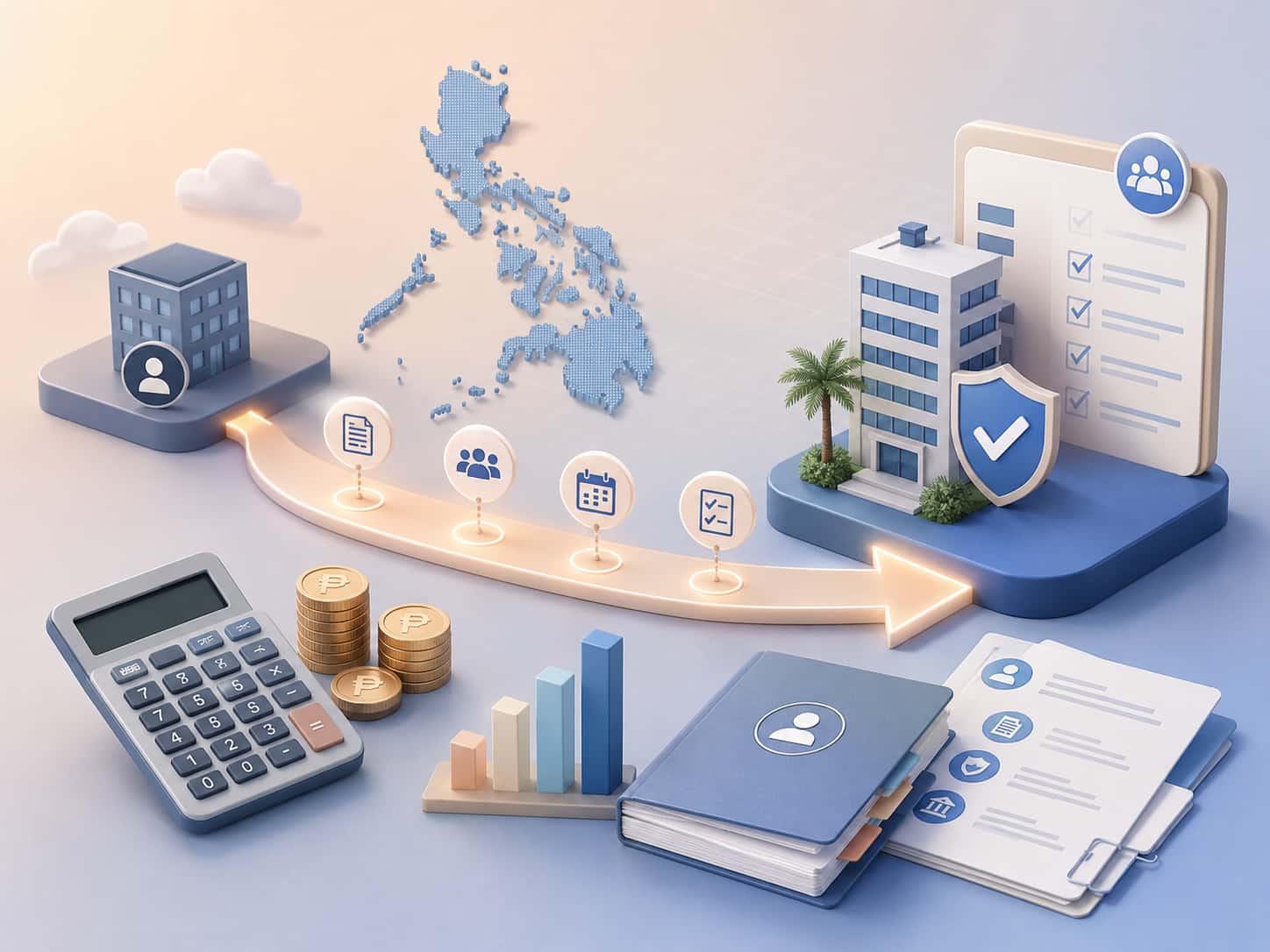
Typical Offshore Team Setup Timeline in the Philippines
Week 1: Workforce Planning
- Define roles
- Benchmark compensation
- Select employment structure
- Finalise benefit strategy
- Confirm onboarding requirements
Week 2–3: Recruitment and Candidate Evaluation
- Candidate sourcing
- Interview coordination
- Skills assessment
- Offer preparation
- Benefit alignment discussions
Week 3–4: Employment & Compliance Setup
- Employment contracts
- Payroll registration
- Government contribution setup
- Benefit enrolment
- Equipment coordination
Week 4–6: Onboarding & Operational Integration
- HR onboarding
- Security and access setup
- Workflow integration
- Team management alignment
- Productivity ramp-up
Helpful operational guide:
Tools for Offshore Teams
Compliance Considerations for Philippine Offshore Hiring
Companies hiring offshore employees in the Philippines must consider:
Statutory Requirements
Typical employment obligations include:
- SSS contributions,
- PhilHealth,
- Pag-IBIG,
- 13th-month pay,
- and statutory leave compliance.
Worker Classification Risks
Using contractors incorrectly may create:
- tax exposure,
- labor disputes,
- retroactive liabilities,
- and compliance penalties.
Payroll Administration
Operational payroll considerations include:
- payroll cutoffs,
- overtime handling,
- leave accrual tracking,
- holiday pay,
- and allowance taxation.
Data Security and Governance
Enterprise offshore teams should establish:
- device management policies,
- role-based access control,
- IP protection workflows,
- and security onboarding standards.
Related resources:
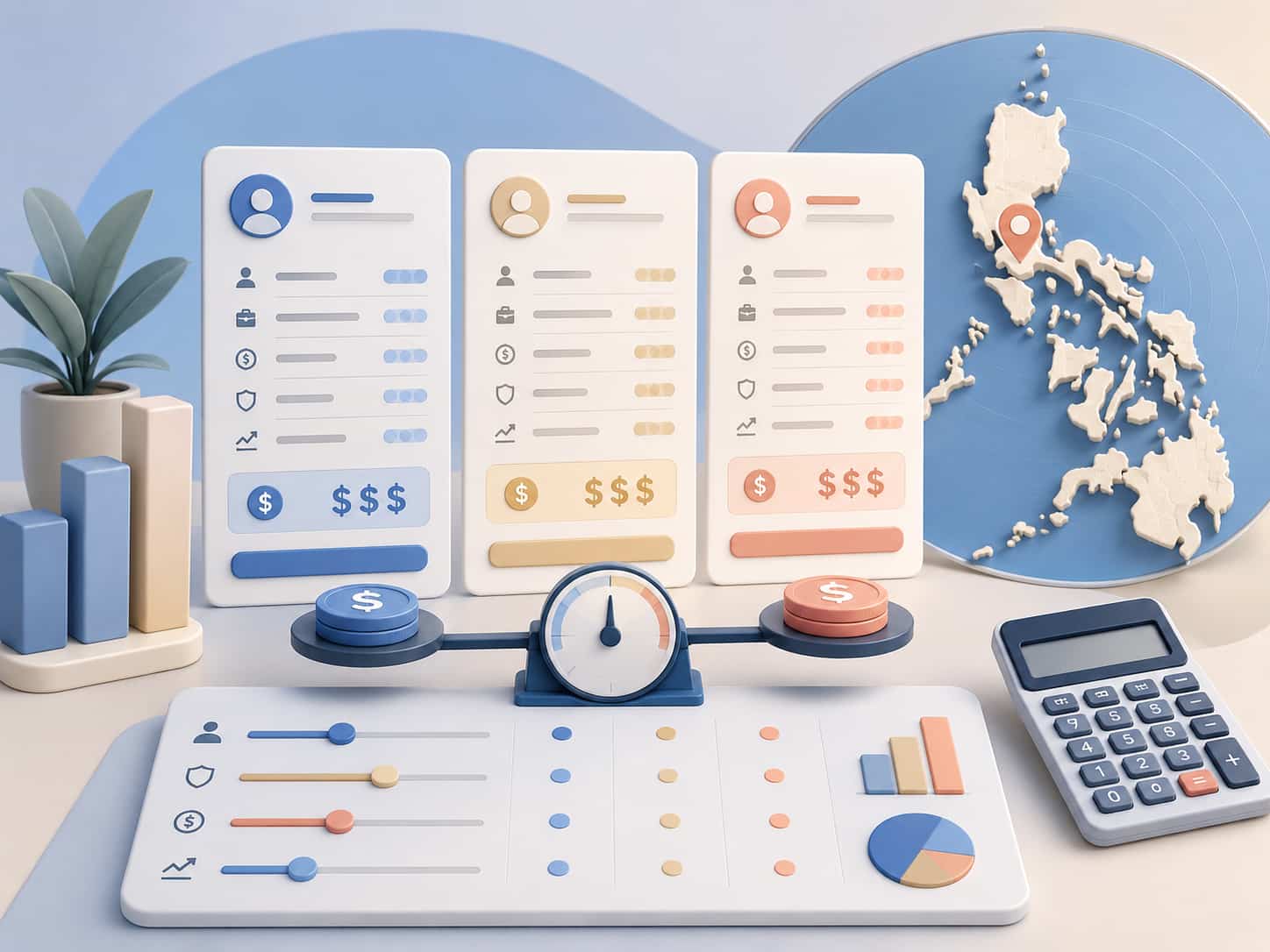
Benefit Cost Comparison: Basic vs Enhanced Packages (Philippines, 2026)
Enhanced benefits typically increase monthly employment cost by:
- ₱1,500–₱4,500 per employee/month
However, enhanced packages often reduce:
- attrition,
- vacancy duration,
- hiring repetition,
- and onboarding inefficiency.
Typical Cost Comparison
| Package | Typical Inclusions | Estimated Additional Cost |
| Basic | Statutory contributions + 13th-month pay | Baseline |
| Enhanced Core | Basic + HMO + wellness support | ₱1,500–₱2,200/month |
| Enhanced Family | Enhanced Core + dependent coverage | ₱3,000–₱4,500/month |
What Companies Often Underestimate
The largest cost differences in offshore hiring usually come from:
- turnover,
- rehiring,
- lost productivity,
- onboarding delays,
- and management disruption — not from the benefit package itself.
How to Choose the Right Benefit Structure for Offshore Teams
Startup and Early-Stage Teams
Prioritise:
- flexible healthcare,
- remote allowances,
- and lean but competitive packages.
Growth-Stage Companies
Focus on:
- retention,
- leadership stability,
- learning budgets,
- and scalable HR structures.
Enterprise Teams
Typically require:
- stronger governance,
- manager-level benefits,
- security policies,
- and structured employee experience programs.
Role-Based Benefit Strategy
| Workforce Type | Priority Benefits |
| Technical Teams | Learning budgets, premium HMO |
| Support Teams | Wellness support, shift incentives |
| Leadership Roles | Family healthcare, retention incentives |
| Creative Teams | Flexible schedules, equipment support |
Common Offshore Hiring Mistakes Companies Make
Choosing the Cheapest EOR
Low-cost providers may lack:
- local HR capability,
- onboarding quality,
- benefit flexibility,
- and operational responsiveness.
Ignoring Local Expectations
US or UK-centric benefit assumptions often fail in Philippine hiring markets.
Underestimating Retention Costs
Hiring cost is not just salary or EOR fees.
It also includes:
- replacement hiring,
- lost productivity,
- retraining,
- and operational disruption.
Weak Workforce Planning
Companies often scale hiring before:
- establishing management workflows,
- defining onboarding processes,
- or implementing governance controls.
See also:
Scaling International Teams Smarter: The EOR Roadmap for High-Growth Companies
Case Studies: Offshore Hiring Through Flexible EOR Support
SaaS Operations Expansion
A SaaS company hiring in the Philippines reduced offer rejection rates from 27% to 8% after implementing:
- upgraded HMO coverage,
- flexible leave,
- and remote work support.
Within six months:
- onboarding satisfaction improved,
- turnover dropped by 38%,
- and recruitment cycle times decreased significantly.
Global Offshore Workforce Scaling
Additional examples:
- 500 Remote Talents Placed
- How Locomote Scaled Globally Without Borders Using EOR Services
- Convertr Case Study
- Nikken EOR Remote Talent Growth Case Study
FAQs: Benefit Customisation and Offshore Hiring in the Philippines
Why does benefit customisation matter for offshore hiring?
Customised benefits improve offer acceptance, employee satisfaction, retention, and long-term workforce stability.
What benefits do Filipino offshore employees usually expect?
Common expectations include:
- HMO coverage,
- paid leave,
- stable employment,
- remote work support,
- and career development opportunities.
Is an EOR better than hiring contractors in the Philippines?
For long-term hiring, EOR is generally safer because it reduces worker misclassification risk and improves compliance management.
How quickly can an EOR hire employees in the Philippines?
Most offshore hiring setups can be completed within 2–6 weeks depending on:
- role complexity,
- onboarding requirements,
- and hiring volume.
What are the biggest risks of offshore hiring?
Common risks include:
- compliance exposure,
- poor onboarding,
- weak retention,
- payroll errors,
- and inconsistent management processes.
What should companies compare when evaluating EOR providers?
Companies should evaluate:
- payroll support,
- onboarding capability,
- HR responsiveness,
- compliance support,
- benefit flexibility,
- and operational scalability.
Can offshore employees receive different benefit packages?
Yes. Many EOR providers support role-based or seniority-based benefit structures.
When should companies move from EOR to a local entity?
Companies often consider entity setup when:
- headcount increases significantly,
- local operations mature,
- or permanent regional expansion becomes a priority.
Final Thoughts
Benefit customisation has become a core part of successful offshore hiring in the Philippines. Companies that balance compliance, employee experience, payroll reliability, and workforce scalability typically achieve stronger retention and faster hiring outcomes than businesses relying on generic “one-size” EOR models.
Before choosing an offshore hiring strategy, evaluate:
- benefit flexibility,
- onboarding capability,
- compliance support,
- payroll operations,
- and long-term scalability — not just monthly pricing.
Need help building a compliant offshore team in the Philippines?
Contact Smart Outsourcing Solution.