Convertr Case Study: How to Build an Offshore Team in the Philippines Successfully
About the Author
Martin English is Co-Founder of Smart Outsourcing Solution and has helped startups, SaaS companies, and enterprise organizations build offshore teams in the Philippines across customer support, operations, finance, technical support, and digital delivery functions
Published: May 28, 2026
Last Updated: May 28, 2026
TL;DR
Convertr, a growing AdTech company, needed experienced technical support talent quickly but struggled to hire locally in the UK. Smart Outsourcing Solution (SOS) helped the company build a dedicated offshore support team in the Philippines within days by sourcing qualified Technical Account Managers, implementing structured onboarding, and supporting long-term operational scaling.
Results included:
- 15 qualified candidates sourced within one week
- 5 shortlisted candidates interviewed immediately
- 2 hires onboarded the following Monday
- Faster support coverage for multinational clients
- Reduced operational hiring costs compared to UK recruitment
- Expanded offshore capabilities supporting Facebook and LinkedIn accounts
- A scalable offshore support structure integrated directly into Convertr’s operations
This case study also explains:
- how to build an offshore team in the Philippines,
- the best way to hire offshore staff,
- offshore hiring Philippines vs EOR,
- setup timelines,
- governance and compliance considerations,
- operational risks,
- and how companies scale offshore teams successfully.
Convertr Case Study: Building a Dedicated Offshore Support Team in the Philippines
Convertr needed to scale technical support operations quickly while maintaining service quality for enterprise-level global clients.
After struggling to recruit experienced support professionals locally in the UK, the company explored offshore hiring in the Philippines for the first time. Their biggest concern was operational risk: how to scale a remote support function without losing visibility, accountability, or quality control.
Smart Outsourcing Solution (SOS) helped Convertr build a dedicated offshore support operation using a structured recruitment, onboarding, compliance, and workforce management framework designed for high-growth technology companies.
What Challenge Was Convertr Facing?
Convertr needed experienced Technical Account Managers at short notice.
The business was facing:
- delayed hiring timelines in the UK,
- increasing recruitment costs,
- operational pressure from growing client demand,
- and limited access to experienced technical support professionals locally.
The company also had concerns about:
- outsourcing risk,
- offshore management visibility,
- onboarding quality,
- compliance,
- and whether offshore teams could support enterprise-level client expectations.
Like many companies exploring offshore hiring for the first time, Convertr needed both recruitment support and operational guidance.
Why Did Convertr Choose Offshore Hiring in the Philippines?
The Philippines offered several operational advantages for scaling support teams.
| Advantage | Operational Impact |
| Strong English proficiency | Improved client communication |
| Large technical support talent pool | Faster recruitment timelines |
| Experience supporting multinational companies | Easier onboarding |
| Time-zone flexibility | Better support coverage |
| Lower operational costs | Improved scalability |
| Strong customer service culture | Better client retention and client experience |
For Convertr, offshore hiring was not simply about reducing costs. The objective was building a scalable support capability that could maintain enterprise-level service standards while improving operational flexibility.
The Philippines continues to be one of the most established offshore hiring destinations for:
- SaaS companies,
- AdTech businesses,
- customer support operations,
- technical support teams,
- and remote operational functions.
See more:
Build Offshore Teams in the Philippines
How Did SOS Build the Offshore Team?
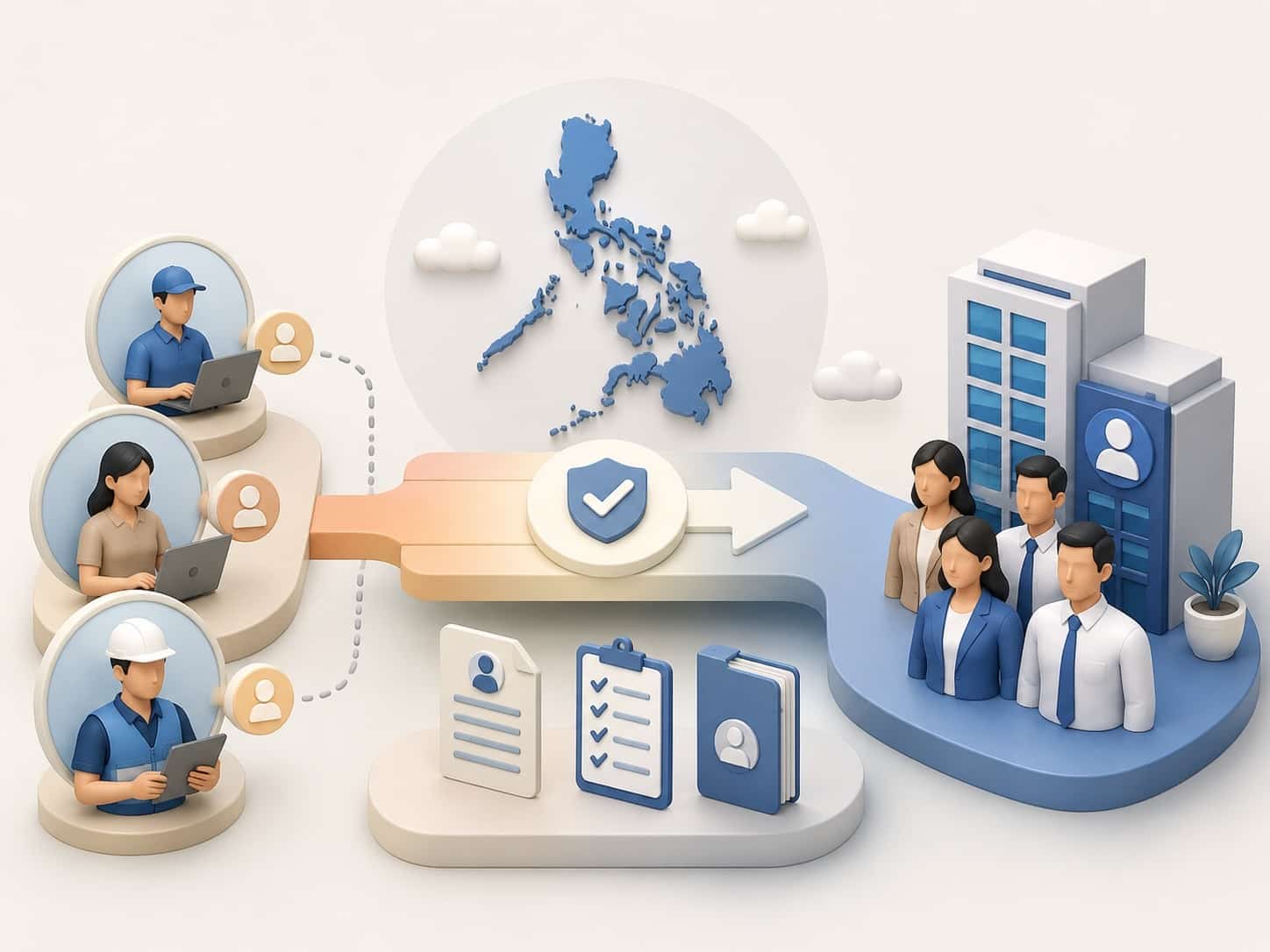
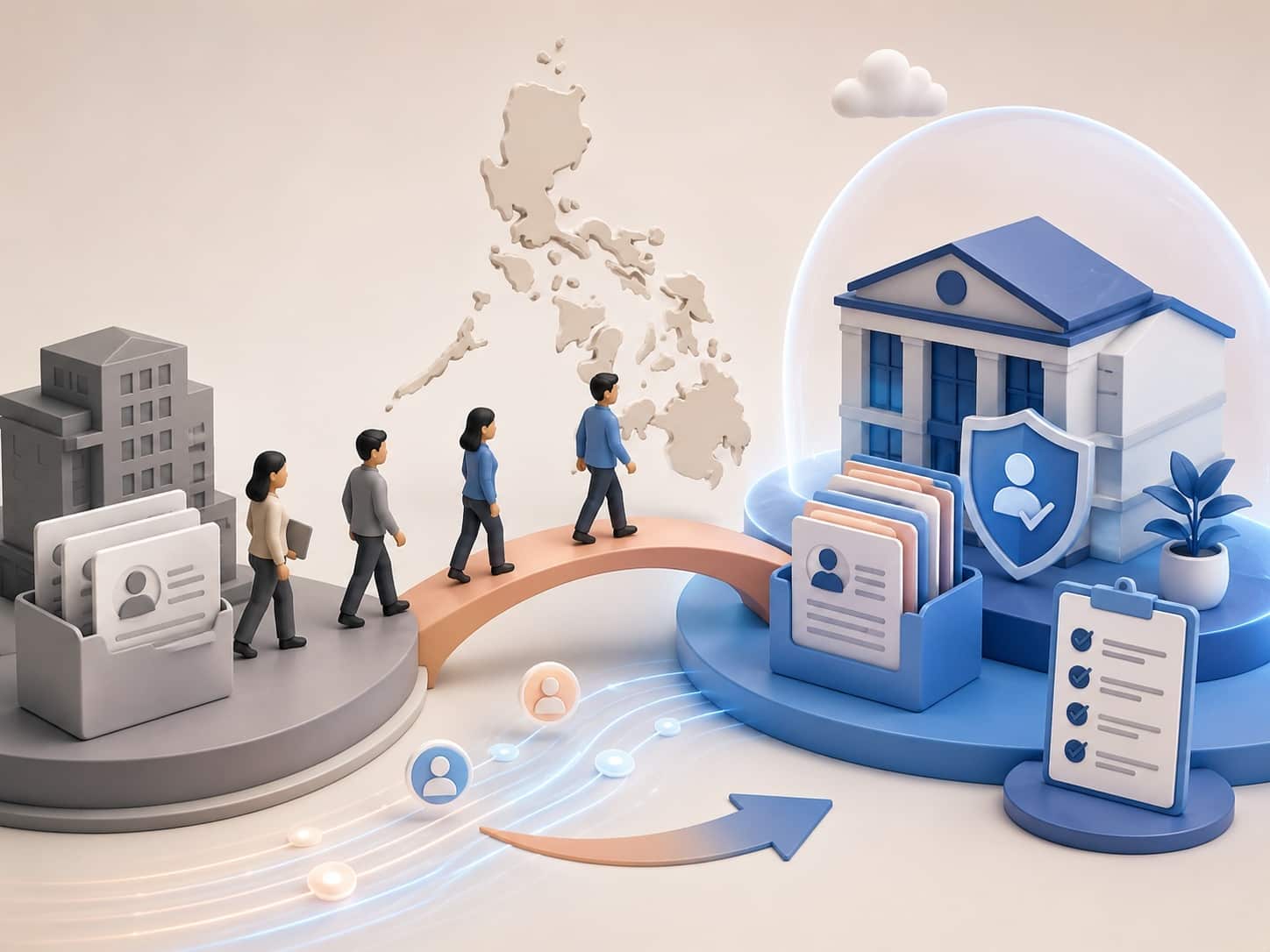
SOS implemented a structured offshore hiring and onboarding workflow designed for fast-moving technology companies.
Offshore Hiring Workflow
| Stage | Timeline | Actions |
| Discovery & Workforce Planning | Day 1 | Defined support workflows, escalation paths, KPIs, and hiring requirements |
| Candidate Sourcing | Days 2–5 | Delivered 15 qualified Technical Account Manager profiles |
| Interview Coordination | Week 1 | Shortlisted 5 candidates for client interviews |
| Hiring & Offer Management | End of Week 1 | 2 candidates selected and onboarded |
| Operational Onboarding | Weeks 2–3 | Built onboarding documentation, workflow alignment, and support processes |
| Performance Integration | Ongoing | Expanded account ownership and multinational support responsibilities |
This process allowed Convertr to move from recruitment bottlenecks to operational deployment within days rather than months.
How Long Does It Take to Build an Offshore Team in the Philippines?
Timelines depend on:
- role complexity,
- hiring volume,
- onboarding requirements,
- operational infrastructure,
- and compliance setup.
For technical support and operational roles, companies can often:
- begin interviewing candidates within one week,
- onboard hires within 2–4 weeks,
- and scale teams progressively over time.
In Convertr’s case:
- sourcing began immediately,
- interviews were completed within the first week,
- and initial hires started the following Monday.
Because SOS already had local recruitment infrastructure and offshore workforce management processes in place, the company avoided delays commonly associated with establishing hiring operations independently.
What Is the Best Way to Hire Offshore Staff in the Philippines?
The best offshore hiring model depends on:
- hiring urgency,
- operational control requirements,
- compliance obligations,
- scalability goals,
- and long-term workforce strategy.
Most companies choose between:
| Hiring Model | Best For | Key Considerations |
| Employer of Record (EOR) | Fast market entry | No Philippine entity required |
| Dedicated Offshore Staffing | Long-term remote teams | Greater operational integration |
| Direct Entity Setup | Enterprise expansion | Higher legal and compliance complexity |
| Traditional Outsourcing | Transactional support work | Reduced operational control |
For many scaling companies, an EOR-supported offshore staffing model provides the best balance of:
- speed,
- compliance,
- flexibility,
- workforce visibility,
- and operational oversight.
See more:
Employer of Record Philippines
https://smartoutsourcingsolution.com/employer-of-record-philippines/
See more:
Convert Contractors to Employees Philippines
Offshore Hiring Philippines vs EOR: What’s the Difference?
Offshore Hiring
Offshore hiring refers broadly to building a remote workforce in another country.
This may include:
- direct local hiring,
- offshore staffing partnerships,
- Build-Operate-Transfer models,
- or EOR-supported employment structures.
Employer of Record (EOR)
An Employer of Record acts as the legal employer on behalf of the client company.
An EOR typically manages:
- employment contracts,
- payroll,
- taxes,
- statutory contributions,
- benefits administration,
- HR documentation,
- and local labor compliance.
This allows companies to hire employees in the Philippines without establishing a local legal entity.
When Does EOR Make Sense?
An EOR model is often best for companies that:
- need to hire quickly,
- are testing offshore operations,
- want to reduce compliance complexity,
- or do not yet require a Philippine entity.
See more:
Switch EOR Providers Philippines in 30 Days
How Did SOS Support Governance, Compliance, and Workforce Management?
For offshore operations to succeed long term, companies require more than recruitment support alone.
SOS helped Convertr establish:
- onboarding documentation,
- workforce management structures,
- operational reporting,
- support escalation workflows,
- payroll coordination,
- attendance and performance visibility,
- and HR administration processes.
The offshore team was integrated into Convertr’s existing operational workflows while maintaining dedicated local support infrastructure in the Philippines.
This approach improved:
- operational accountability,
- hiring scalability,
- reporting visibility,
- and workforce continuity.
For many companies, governance and workforce management are the deciding factors between successful offshore operations and failed outsourcing engagements.
See more:
EOR Contract Flexibility
What Operational Risks Should Companies Consider When Hiring Offshore?
Companies building offshore teams commonly encounter challenges related to:
- onboarding,
- communication,
- compliance,
- reporting,
- accountability,
- and workforce retention.
Common offshore hiring mistakes include:
- hiring too quickly without operational alignment,
- unclear KPIs,
- weak onboarding documentation,
- inconsistent management ownership,
- poor communication structures,
- and lack of escalation procedures.
SOS reduced these risks by implementing:
- structured onboarding workflows,
- operational reporting,
- proactive workforce management,
- regular operational reviews,
- and scalable support processes.
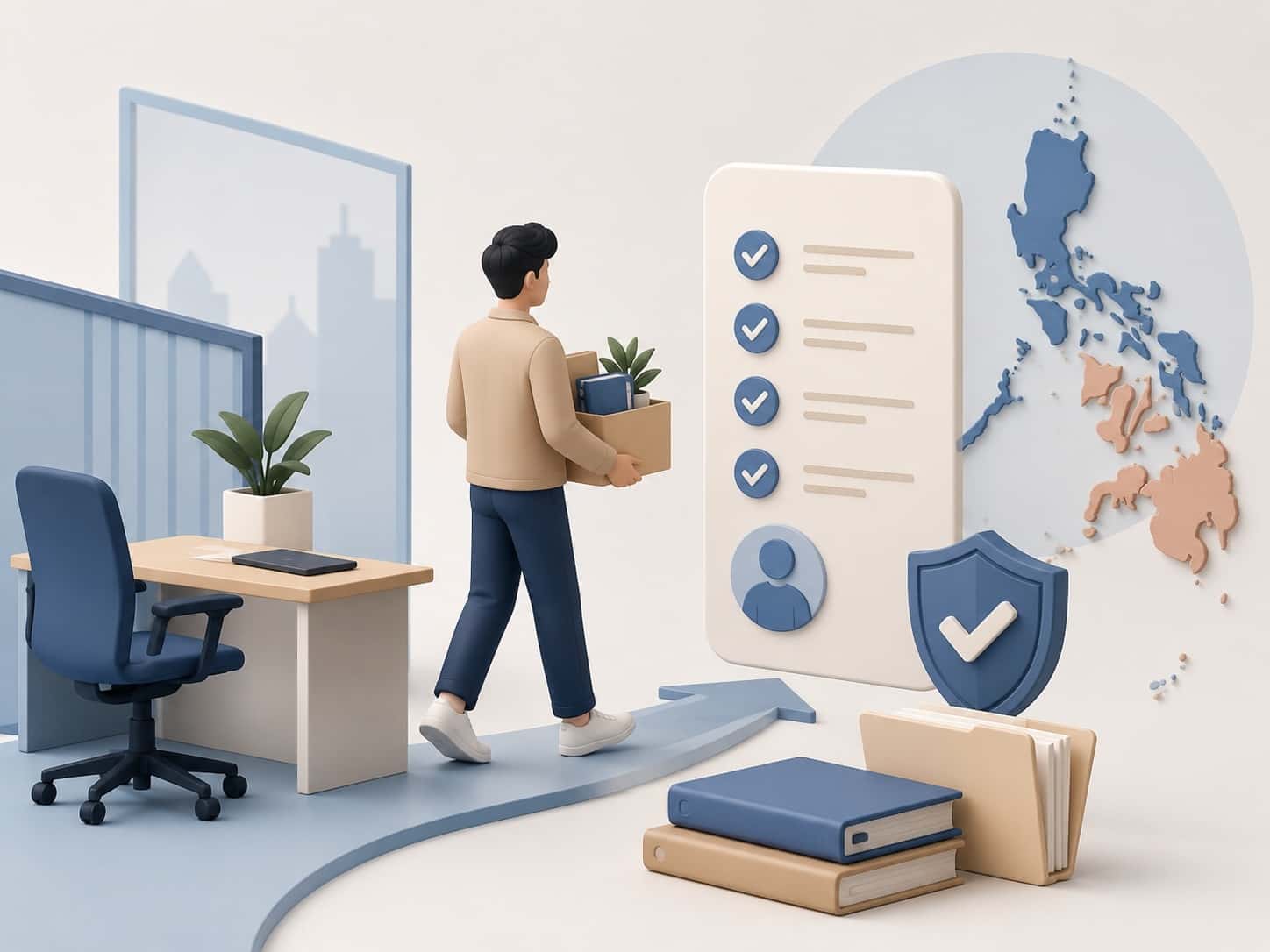
This helped Convertr transition from reactive support hiring to a more structured offshore operations model.
What Roles Are Commonly Hired Offshore in the Philippines?
The Philippines is widely used for offshore hiring across:
- technical support,
- customer service,
- finance and accounting,
- virtual assistants,
- software development,
- digital marketing,
- operations support,
- and customer success functions.
For SaaS and AdTech companies specifically, the Philippines offers strong availability of:
- Technical Account Managers,
- implementation coordinators,
- support specialists,
- customer success professionals,
- and remote operations personnel.
See more:
Virtual Assistants to EOR Philippines
What Were the Results?
The offshore support operation delivered:
- significantly faster hiring,
- reduced operational hiring costs,
- improved support scalability,
- expanded multinational account coverage,
- and stronger workforce flexibility.
The offshore team eventually supported enterprise-level accounts including Facebook and LinkedIn.
SOS also implemented proactive support management processes that helped identify operational issues before they escalated.
Rather than functioning as a traditional outsourced support vendor, the offshore team became an integrated operational extension of Convertr’s internal business structure.
Client Feedback
“We had considered outsourcing before but didn’t really understand how it worked and therefore deemed it too risky. Martin and the team explained the process and worked with us at every stage to make it happen.
I was honestly surprised at the results that the team has achieved and would not hesitate in referring them to anyone who wants to try outsourcing for the first time.
We felt safe and supported throughout the ongoing engagement and highly value their knowledge, professionalism, and engagement style. For us, they are a big part of our team.”
— Emma Bowkett, CEO, Convertr
Frequently Asked Questions
How do I build an offshore team in the Philippines?
Most companies begin by partnering with an offshore staffing provider or Employer of Record (EOR) that can manage recruitment, payroll, compliance, onboarding, and workforce administration locally.
What is the best way to hire offshore staff in the Philippines?
For companies entering the Philippines for the first time, EOR-supported offshore hiring is often the fastest and lowest-risk option because it removes the need to establish a local legal entity.
What is the difference between outsourcing and offshore staffing?
Traditional outsourcing typically involves handing work to a third-party provider. Offshore staffing usually involves building a dedicated remote team integrated directly into your internal operations and workflows.
How quickly can offshore teams be built?
For support and operational roles, companies can often begin interviewing candidates within days and onboard hires within several weeks depending on role complexity.
Do I need a Philippine entity to hire staff?
No. Companies can legally hire employees through an Employer of Record (EOR) without establishing a Philippine entity.
What are the biggest offshore hiring risks?
The most common risks include poor onboarding, weak communication structures, unclear KPIs, compliance issues, and lack of operational ownership.
What roles are commonly offshored to the Philippines?
Common offshore roles include:
- customer support,
- technical support,
- finance,
- virtual assistants,
- software development,
- digital marketing,
- and operations support.
Is offshore hiring cheaper than local hiring?
In many cases, companies reduce hiring and operational costs substantially while maintaining access to experienced professionals and scalable workforce infrastructure.
Related Resources
Build Offshore Teams in the Philippines
Employer of Record Philippines
Convert Contractors to Employees Philippines
Switch EOR Providers Philippines in 30 Days
Virtual Assistants to EOR Philippines
Planning to Build an Offshore Team in the Philippines?
Whether you’re exploring offshore staffing for the first time or scaling an existing remote operation, SOS helps companies build compliant, scalable offshore teams in the Philippines through EOR, dedicated staffing, and operational support models designed for long-term growth.
Book a consultation to discuss:
- offshore hiring strategy,
- EOR vs direct hiring,
- technical support team setup,
- workforce scaling,
- onboarding workflows,
- and operational compliance requirements.