How to Move Customer Support Teams to an EOR in the Philippines
Author: Phil Murphy
Published: September 4, 2025
Last Updated: May 28, 2026
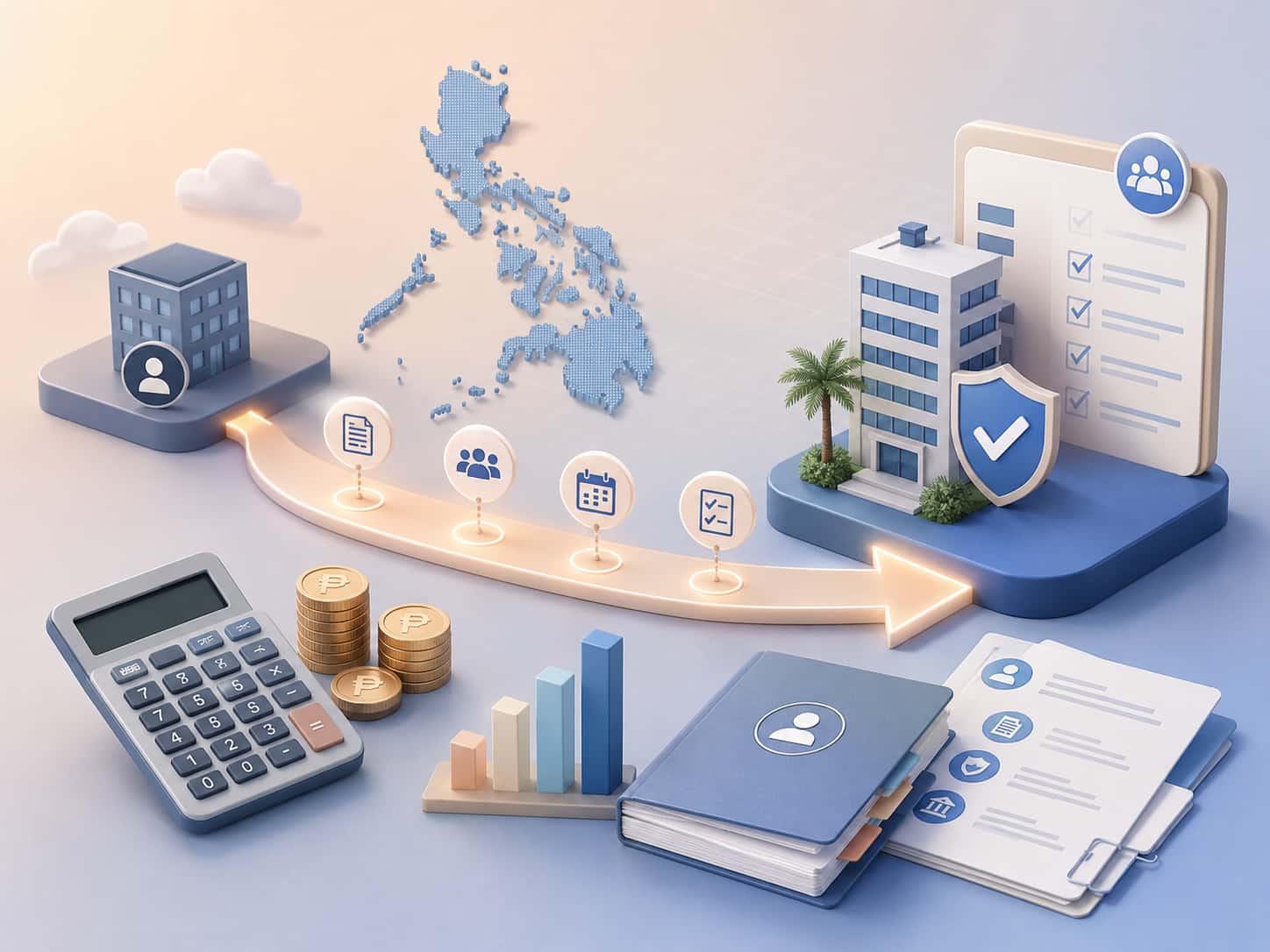
Moving a customer support team to an Employer of Record (EOR) structure in the Philippines is not simply a payroll change. It affects employment documentation, employee communication, salary administration, benefits coordination, shift arrangements and the evidence your business needs to review after the transition.
Customer support teams are often deeply embedded in daily operations. Agents may handle customer data, work scheduled shifts, follow service-level requirements and report directly to internal managers. When these roles are ongoing and closely integrated into the business, a formal employment model may be more appropriate than continuing with informal or independent-contractor arrangements.
Direct answer: To move a customer support team to an EOR in the Philippines, define the employees and support roles in scope, review the current engagement structure, agree employment terms and shifts, prepare payroll and benefits setup, issue appropriate local employment documentation, communicate clearly with agents and validate payslips and available remittance evidence after go-live.
For the broader evidence and compliance framework, read the Philippines EOR Compliance guide.
TL;DR: Moving Customer Support Teams to an EOR
| Question | Practical Answer |
| When may EOR fit a customer support team? | When agents are dedicated, ongoing team members working under the company’s operational direction. |
| What changes under EOR? | Local employment documentation, payroll administration, benefits coordination and formal employee-support processes. |
| What does the client still manage? | Daily tasks, service levels, tools, quality standards, customer workflows and performance expectations. |
| What compliance proof should buyers request? | Employment documents, payroll records, payslips, benefit setup details and available evidence of applicable SSS, PhilHealth, Pag-IBIG and 13th-month administration. |
| Can existing agents be retained? | Potentially, subject to reviewing the existing arrangement, agreeing appropriate employment terms and coordinating the transition. |
| What should be checked after go-live? | First payroll, payslips, benefit administration, shift items, support routes and outstanding documentation. |
When Should a Customer Support Team Move to an EOR?
An EOR may be worth evaluating where customer support agents are no longer providing occasional independent services but are operating as part of an ongoing internal support function.
Indicators may include:
- Agents work recurring schedules or fixed service windows.
- Your managers assign queues, shifts, priorities or escalation rules.
- Agents use your helpdesk, CRM, knowledge base or customer systems.
- Work is measured through service levels, quality assurance or attendance.
- The role is intended to continue over the longer term.
- Agents handle customer data or business-critical workflows.
- The company wants a clearer payroll, benefits and employee-administration structure.
An EOR arrangement is not automatically required for every customer support engagement. The appropriate structure depends on the actual working relationship, role design and applicable requirements.
Businesses assessing customer-support employment within a broader Philippine EOR model can review Employer of Record services in the Philippines.
What Types of Customer Support Roles Can Move to an EOR?
Customer support teams often include more than frontline agents. A transition plan should identify each role and the operational requirements attached to it.
| Support Function | Example Roles | Transition Considerations |
| Email and Ticket Support | Customer support agent, queue specialist | Ticket access, working hours, QA and response standards |
| Live Chat Support | Chat agent, escalation coordinator | Shift schedule, concurrency expectations and customer-data access |
| Voice Support | Voice agent, call support representative | Working hours, call tools, recording policies and quality checks |
| Technical Support | Tier 1 support analyst, product support specialist | System access, troubleshooting responsibilities and escalation rights |
| Quality Assurance | QA reviewer, support coach | Access to interactions, scorecards and documentation |
| Team Coordination | Team lead, shift coordinator | Scheduling input, escalation ownership and reporting requirements |
The employment structure should match the actual role. A dedicated technical support professional with regular hours and internal reporting may require a different setup from a provider-managed outsourced queue.
Customer Support Outsourcing vs EOR: What Is the Difference?
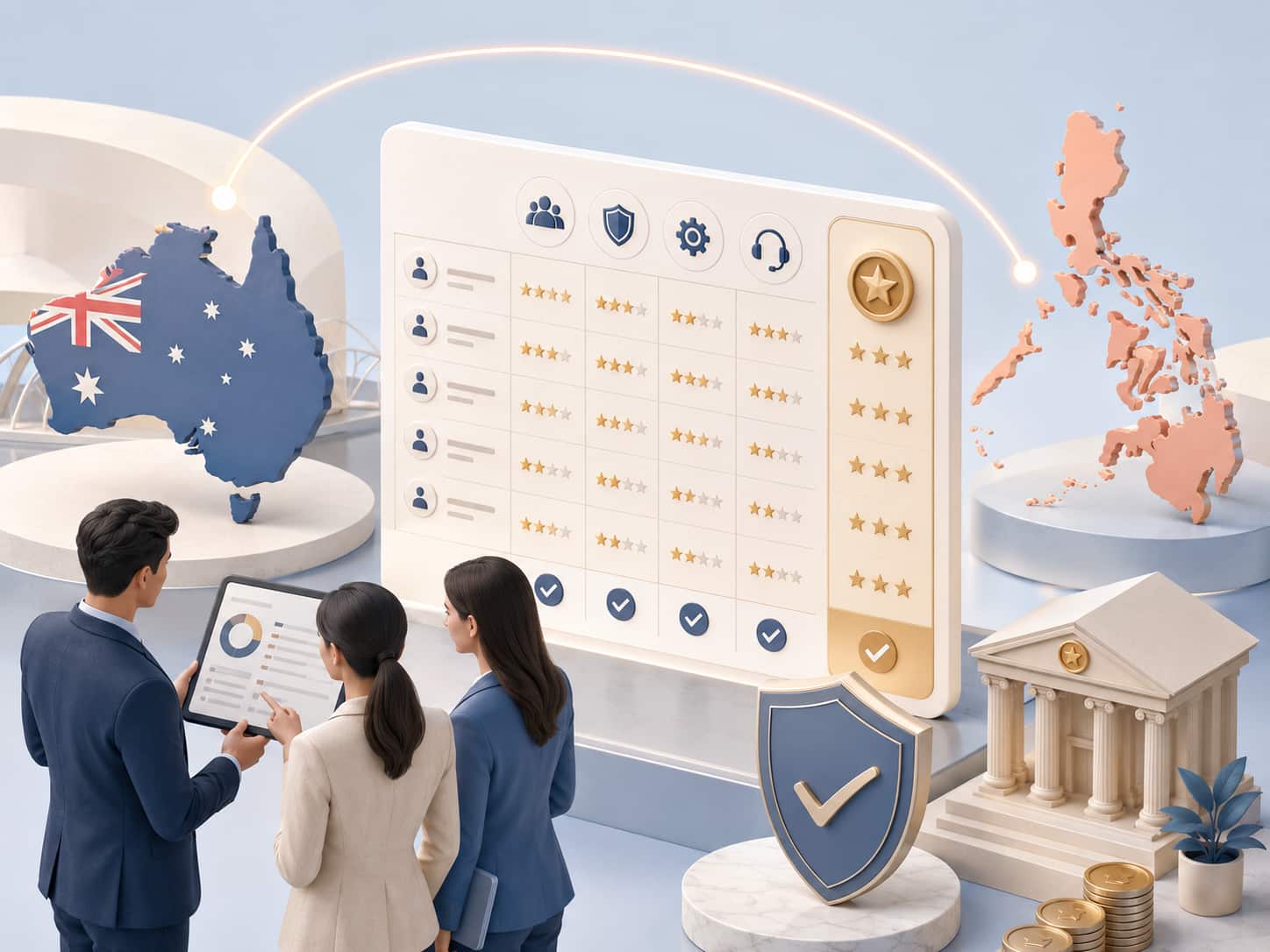
A business can access Philippine customer support capacity through different models. The key distinction is whether the company wants dedicated employees operating within its team or a provider managing the support function as a service.
| Model | What the Business Receives | Who Usually Manages Daily Work? | When It May Fit |
| Employer of Record | Dedicated customer support employees with local employment administration | Client business | Agents are integrated into internal support operations |
| Staff Leasing | Dedicated support staff, sometimes with facilities or local support | Usually client, depending on agreement | Teams needing personnel plus infrastructure |
| BPO / Managed Support | Provider-managed customer support process | Provider | Business wants service outcomes rather than direct agent management |
| Contractor Arrangement | Services from independent professionals | Depends on genuine working arrangement | Project-based or genuinely independent support work |
Moving a customer support team to EOR generally makes most sense where your business wants to retain direct operational control while formalising local employment administration.
For wider model-selection guidance, see EOR vs Staff Leasing vs BPO: Which Model Fits a Start-up?.
How to Move a Customer Support Team to an EOR: Step by Step
Step 1: Define the Team and Transition Scope
Start by documenting exactly who and what is moving into the proposed EOR structure.
Confirm:
- Which agents, leads or QA staff are included.
- Whether the team is existing or newly hired.
- Current role responsibilities.
- Reporting lines.
- Work schedules and shift requirements.
- Channels handled: email, chat, voice, social or technical support.
- Systems and customer data accessed.
- Any planned changes to salary, benefits, responsibilities or hours.
| Transition Question | Why It Matters |
| Are the agents already working with the business? | Determines whether this is a conversion or new-hire setup |
| Are role terms changing? | Requires clearer employee communication and documentation |
| Do agents work nights or holidays? | May affect payroll inputs and scheduling requirements |
| Do agents handle personal or customer data? | Requires appropriate system-access and security controls |
| Does the company manage daily performance? | Helps assess whether dedicated employment is the intended model |
Do not treat an EOR transition as a simple administrative switch if the roles, hours or benefits are also changing.
Step 2: Review the Existing Working Arrangement
Where existing freelancers, virtual assistants or contractors are being moved into employment, review the present arrangement before issuing new documentation.
Assess:
- Contract terms currently in place.
- How the work is actually performed.
- Whether agents are dedicated to ongoing customer operations.
- Who sets schedules and workflows.
- Whether agents report to internal managers.
- What systems and customer information they access.
- What responsibilities and benefits will apply after transition.
The purpose is to determine an appropriate future structure and prepare a controlled transition. EOR should not be presented as automatically eliminating every classification or employment risk.
Step 3: Confirm Roles, Schedules and Customer-Support Controls
Customer support employment setup must reflect the real operating model.
Document:
| Operating Area | What to Confirm |
| Role title and responsibilities | Queue ownership, channels handled and escalation scope |
| Working hours | Day shift, night shift, weekend or regional coverage |
| Service requirements | Response expectations, case ownership and escalation rules |
| Quality assurance | QA rubric, coaching cadence and review owner |
| Systems access | Helpdesk, CRM, telephony, knowledge base and customer-data permissions |
| Manager responsibility | Who directs work and evaluates service performance |
| Business continuity | How support coverage continues during transition |
Customer-support workflows should remain operationally owned by the client where the client manages the team’s daily work. The EOR supports the employment-administration structure around those roles.
Businesses designing night-shift operations and QA controls can review Customer Support VA Philippines: Night Shift, SLAs and QA Rubrics.
Step 4: Agree Employment, Payroll and Benefits Setup
Before employees transition, the client and EOR provider should confirm the information required to prepare the local employment setup.
This may include:
- Approved role and job description.
- Salary and recurring allowance details.
- Working hours and relevant shift arrangements.
- Agreed benefits package.
- Start date under the EOR arrangement.
- Required employee information and documentation.
- Payroll cut-off dates and client approval responsibilities.
- Support channel for employee questions.
| Setup Area | Evidence to Confirm Before Start |
| Employment terms | Approved employment documentation and acknowledged terms |
| Compensation | Salary, recurring allowances and approved variable items |
| Payroll schedule | Cut-off date, approval owner and expected first-payroll date |
| Benefits | Coverage details, enrolment requirements and effective dates |
| Support route | Named contact or process for employee and client questions |
The transition should not go live until employees understand the new arrangement and required payroll information is complete.
Step 5: Communicate Clearly with Customer Support Agents
Customer support employees are often concerned about whether the transition affects their salary, schedules, benefits, manager or daily work.
A practical communication plan should explain:
- Why the company is moving to an EOR structure.
- What will change.
- What will not change.
- Who will legally employ the workers.
- When the transition takes effect.
- Which documentation needs to be reviewed or completed.
- How payroll and benefits will be handled.
- Where questions should be raised.
Avoid promising uninterrupted benefits, unchanged terms or instant setup unless those points have been confirmed in the agreed transition documentation.
Step 6: Validate the First Payroll Cycle
The first payroll cycle under the EOR arrangement is a critical proof point.
Before and after payroll processing, check:
| Payroll Check | What to Review |
| Employee list | All agents in scope are included correctly |
| Salary | Approved salary values are reflected accurately |
| Allowances and shift items | Recurring approved pay items are included where applicable |
| Working schedule | Relevant hours or shift details are recorded correctly |
| Benefits setup | Enrolment or administration requirements are confirmed |
| Payslips | Employees receive the expected payroll documentation |
| Employee questions | Queries are logged and resolved through the agreed support route |
If the team is moving from an existing payroll or contractor arrangement, compare the approved transition information with the first live payroll setup before treating the migration as complete.
What Compliance Proof Should a Philippines EOR Provide for Customer Support Teams?
A buyer should ask for evidence that matches the agreed EOR scope and the employee population being administered.
For a Philippine customer support team, a practical compliance-proof pack may include:
| Proof Category | What Buyers Should Request or Verify |
| Employment documentation | Local employment contracts or related employee documentation appropriate to the arrangement |
| Payroll records | Payroll summaries, approved pay components and payroll-processing records |
| Payslips | Sample or employee-issued payslip evidence, subject to privacy controls |
| SSS administration | Available evidence relating to applicable SSS registration or remittance administration |
| PhilHealth administration | Available evidence relating to applicable PhilHealth administration |
| Pag-IBIG administration | Available evidence relating to applicable Pag-IBIG administration |
| 13th-month administration | Explanation of how applicable 13th-month pay is calculated and processed |
| Benefits | Benefit package terms, enrolment information and effective-date confirmation |
| Employee support | Escalation channel for payroll, documentation or benefit questions |
| Data handling | Documentation showing how employee and customer-related data is managed appropriately |
This proof should be reviewed against the contractual scope and, where required, with appropriate Philippine employment or legal advice.
How Does Payroll Compliance Work for Philippine Customer Support Employees?
Payroll administration for customer support employees should reflect the approved employment terms and actual working arrangements.
This is especially important where teams include:
- Night-shift schedules.
- Weekend or holiday work.
- Recurring allowances.
- Team-lead or QA responsibilities.
- Changing shift coverage.
- Overtime or approved additional work, where applicable.
A buyer should confirm:
| Payroll Area | Question to Ask |
| Salary | How is approved base pay recorded and processed? |
| Shift-related items | How are applicable schedule-related payments handled? |
| Approved additions | How are bonuses, allowances or adjustments processed? |
| Deductions and contributions | How are applicable payroll deductions and employer-administered items recorded? |
| Payslips | What information will employees receive each pay cycle? |
| Corrections | How are payroll discrepancies raised and resolved? |
| Reporting | What payroll evidence will the client receive? |
EOR payroll support does not remove the client’s responsibility to provide accurate approved inputs, such as working schedules, variable-pay approvals or role changes.
What Statutory Benefits and Employment Items Should Buyers Check?
Philippine employment arrangements may involve statutory and contractual requirements that depend on the employee’s status, compensation and working arrangements.
For customer support employees, buyers should ask the EOR provider to explain how the agreed scope handles:
- SSS-related administration.
- PhilHealth-related administration.
- Pag-IBIG-related administration.
- Applicable 13th-month pay administration.
- Leave entitlements and records.
- Any relevant holiday or working-hours treatment.
- Benefits such as medical coverage where included.
- Final-pay and offboarding processes.
The provider should clearly distinguish:
- What is required by law.
- What is included as part of the selected employee-benefit package.
- What depends on working schedule or approved employment terms.
- What records will be available to the client or employee.
What Changes for Customer Support Agents Under an EOR Structure?
Moving to EOR is not simply changing who processes payment. It creates a formal employment-administration structure around dedicated team members.
| Area | Before Formal Employment Structure | Under an EOR Arrangement |
| Employment documentation | May vary depending on existing arrangement | Local employment documentation is coordinated under the agreed EOR model |
| Payroll | May be informal, invoiced or separately managed | Payroll is administered through the local employment structure |
| Statutory administration | Depends on existing arrangement | Applicable processes are administered under the agreed EOR scope |
| Benefits | May be absent or separately arranged | Selected benefits can be coordinated through the employment setup |
| Employee questions | May be handled informally | Defined employee-administration and escalation route |
| Daily work direction | Managed according to existing arrangement | Client continues managing daily support operations where roles remain dedicated |
The transition should be explained carefully so agents understand both the new employment administration and the elements of daily work that remain unchanged.
How Should Customer Support Data and System Access Be Managed?
Customer support agents may access customer names, contact details, conversation histories, order information, account records or other sensitive information.
Before moving a team into EOR employment, confirm:
| Security Area | What to Establish |
| System access | Role-based access limited to required tools and queues |
| Authentication | Approved logins and multi-factor authentication where appropriate |
| Customer data handling | Rules for viewing, recording, exporting or sharing customer information |
| Knowledge base and macros | Controlled access to approved support content |
| Devices | Approved device and secure-working requirements |
| Quality review | Appropriate handling of recorded or sampled customer interactions |
| Offboarding | Access removal when an agent leaves or changes role |
For deeper security and IP guidance, read Data Security and IP Protection in Offshore Teams.
Can EOR Support Night Shifts or Extended-Hours Customer Service?
EOR may support dedicated Philippine employees working approved shifts as part of an international customer-support operation, subject to the agreed employment terms and provider scope.
Before implementing extended-hours coverage, define:
- Service hours required.
- Shift schedule.
- Handover rules.
- Escalation coverage.
- Quality and reporting expectations.
- Payroll inputs linked to working arrangements.
- Employee-support and retention considerations.
For a broader extended-coverage framework, read How to Build a 24/7 Offshore Team in the Philippines.
What Risks Should Be Reviewed Before Moving a Support Team to EOR?
| Risk | Why It Matters | Practical Control |
| Poor role definition | Employment terms may not reflect actual duties | Define roles, channels, schedules and reporting before transition |
| Incomplete payroll inputs | Employees may receive incorrect pay | Validate salary, allowances, shifts and first payroll setup |
| Benefit uncertainty | Employees may lose confidence in the transition | Confirm coverage and effective dates before go-live |
| Weak employee communication | Questions and resistance may increase | Provide clear transition information and a named support route |
| Incorrect model selection | EOR may not suit provider-managed process work | Confirm whether employees are dedicated and internally managed |
| Data-access gaps | Customer information may be exposed | Apply role-based access and documented offboarding |
| Overpromising compliance | Buyer may rely on unsupported assurances | Request evidence and appropriate advice where needed |
Frequently Asked Questions
How Do I Move a Customer Support Team to an EOR in the Philippines?
Define the roles and employees in scope, review the current working arrangement, agree employment terms, set up payroll and benefits, issue appropriate employment documentation, communicate with agents and validate the first payroll cycle.
Can We Keep the Same Customer Support Agents When Moving to EOR?
Potentially, yes. Existing agents may transition into an EOR employment structure where the future relationship is appropriate for employment and the required documentation, payroll setup and employee communication are completed.
What Compliance Proof Should a Philippines EOR Provide?
Buyers should request appropriate employment documentation, payroll records, payslip evidence, benefit information and available evidence relating to applicable SSS, PhilHealth, Pag-IBIG and 13th-month administration under the agreed EOR scope.
How Does Payroll Work for Customer Support Employees Under EOR?
The EOR generally administers payroll under the agreed scope, while the client supplies approved inputs such as salary, schedules, allowances or role changes. Payroll setup and the first live cycle should be reviewed carefully.
What Statutory Benefits Should Philippine Customer Support Employees Receive?
The provider should explain the locally applicable employment-related requirements for the employee population, including SSS, PhilHealth, Pag-IBIG, 13th-month pay and relevant leave or payroll treatment, as applicable to the agreed arrangement.
Is EOR the Same as Outsourcing a Customer Support Function?
No. EOR generally supports dedicated employees whose daily work is directed by the client. A managed BPO arrangement generally involves the provider owning the support process and service outcomes.
Can EOR Support Night-Shift Customer Support Teams?
Potentially, yes. The working schedule, payroll inputs, handover process, escalation ownership and employee-support arrangements should be defined before implementation.
How Do We Protect Customer Data When Agents Work Offshore?
Use appropriate confidentiality and IP terms, role-based system access, approved devices, secure authentication, documented customer-data procedures and clear offboarding controls.
Move Customer Support Teams into a Clearer Philippine Employment Structure
Moving a dedicated customer support team to an EOR can provide a structured local employment framework while your business continues managing customer workflows, service expectations and team performance.
Smart Outsourcing Solution helps international businesses assess customer-support roles, plan employment transitions, coordinate payroll and benefits setup, and understand the evidence required for Philippine EOR administration.
Discuss your customer support EOR transition with Smart Outsourcing Solution