How to Build an Offshore Team in the Philippines
Author: Martin English, CEO & Founding Partner
Date Published: May 28, 2026
Building an offshore team in the Philippines starts with a clear operating plan, not simply a list of positions to fill.
Businesses need to decide what work should be handled offshore, who will manage it, which hiring model fits the relationship, how team members will be onboarded and what systems are needed as the operation grows.
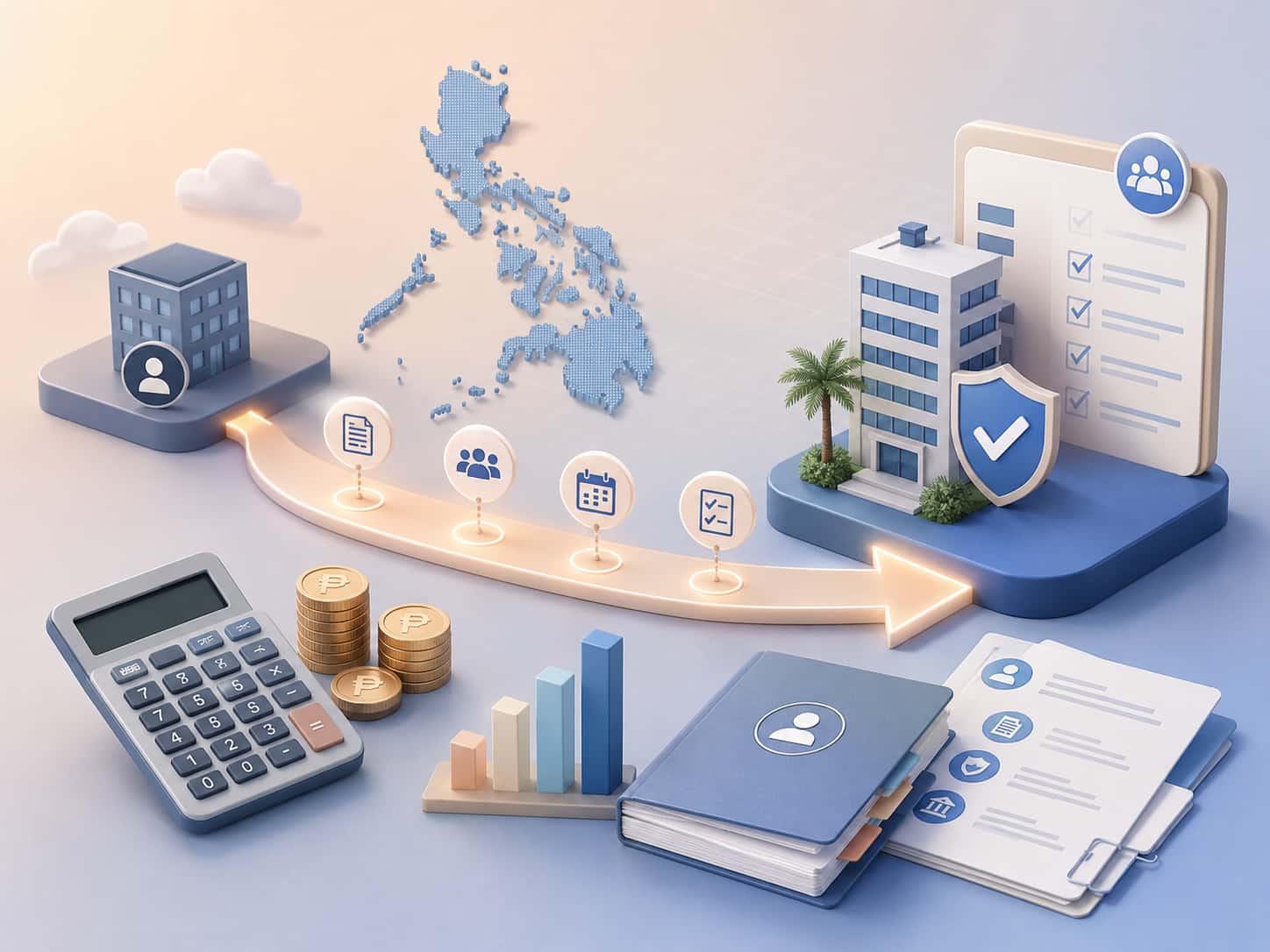
Direct answer: To build an offshore team in the Philippines, define the roles and outcomes first, choose an appropriate hiring model such as EOR, staff leasing, BPO or a local entity, prepare onboarding and security processes, then scale only after reporting lines and performance systems are working.
This guide explains the practical steps for building a Philippine offshore team that is structured, manageable and ready to grow.
TL;DR: Building an Offshore Team in the Philippines
| Question | Practical Answer |
| What is an offshore team? | Professionals based in another country who support your business through an agreed operating and hiring structure. |
| What should you offshore first? | Clearly defined roles with measurable responsibilities, manageable system access and a prepared manager. |
| Which hiring model should you use? | EOR may suit dedicated employees; staff leasing may suit dedicated capacity with local support; BPO may suit managed process delivery. |
| Do you need a Philippine entity? | Not always. The suitable structure depends on your roles, management model and long-term plans. |
| What makes offshore teams work? | Clear roles, structured onboarding, secure access, regular communication and accountable management. |
| When should you scale? | After the initial team has stable workflows, reporting and management support. |
What Is an Offshore Team?
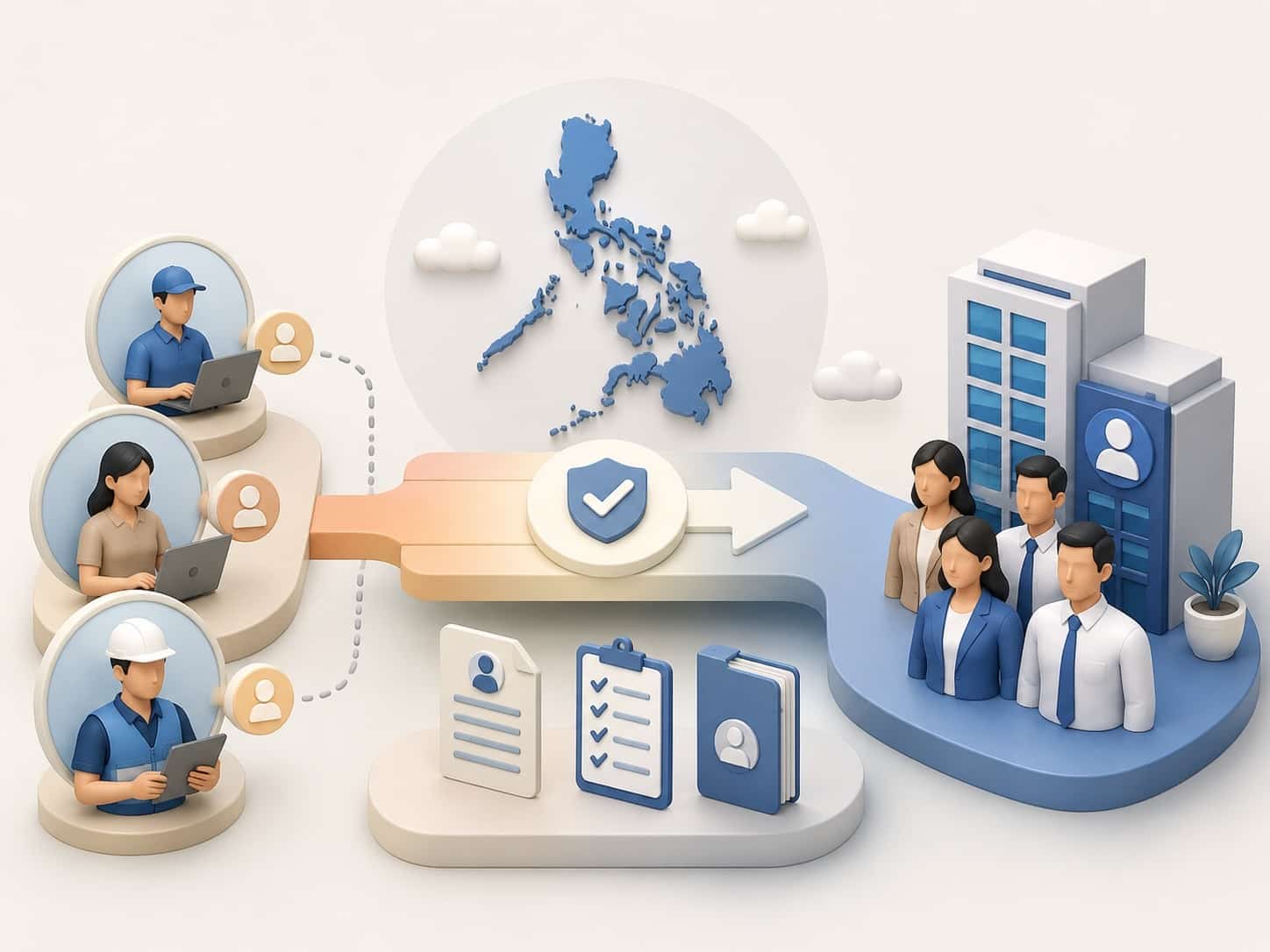
An offshore team is a group of professionals based in another country who support your business through a defined operating model.
Depending on the structure, offshore team members may:
- Work directly within your internal systems.
- Follow your workflows, service standards and reporting requirements.
- Report to your managers.
- Support customers, operations, finance, technology or growth functions.
- Become a long-term extension of your organisation.
An offshore team is not automatically the same as outsourcing a complete business process. A company may hire dedicated offshore employees, use a provider-supported staffing model or outsource a defined workflow depending on how much control and responsibility it wants to retain.
For a clearer explanation of these structures, read Remote vs Offshore vs Outsourcing: Understanding the Difference.
Why Do Companies Build Offshore Teams in the Philippines?
Companies build Philippine offshore teams when they need additional capacity, specialist roles or operational coverage that can be managed effectively across locations.
Common objectives include:
- Adding customer support or operations capacity.
- Hiring dedicated technology, finance or administrative professionals.
- Extending service coverage across time zones.
- Supporting growth without building every capability locally.
- Accessing specialist roles through a distributed workforce model.
- Creating a structured long-term team rather than relying on disconnected short-term support.
The strongest offshore strategies focus on role quality, operational fit, management readiness, security and employee continuity—not cost alone.
What Roles Should You Offshore First?
The best first offshore roles are usually those with clear responsibilities, documented processes and a manager ready to support the employee.
| Function | Example Roles | Why They May Suit an Offshore Team |
| Customer support | Email support specialist, chat support agent, customer-success coordinator | Clear workflows and measurable quality standards |
| Administration | Executive assistant, operations coordinator, CRM administrator | Ongoing support tied to internal processes |
| Finance support | Bookkeeping assistant, accounts support officer, reporting analyst | Recurring workflows requiring accuracy and controls |
| Technology | QA tester, developer, technical support specialist | Dedicated roles that can integrate with internal delivery teams |
| Marketing support | Content assistant, SEO support specialist, graphic designer | Structured production and reporting workflows |
| Data and research | Reporting specialist, data analyst, research assistant | Defined outputs and recurring information requirements |
A first offshore hire should not be selected only because a role appears easy to move. It should be a role your business is prepared to manage, onboard and measure.
How to Build an Offshore Team in the Philippines: Step by Step
Step 1: Define the Work Before You Hire
Begin by identifying the work your business needs to complete more consistently, efficiently or at greater scale.
Clarify:
- Which responsibilities belong in the role.
- Whether the work is ongoing or project-based.
- Who will manage the person day to day.
- Which systems and data the role requires.
- What success looks like after onboarding.
- Whether the work needs specific hours or regional coverage.
| Planning Area | Questions to Answer |
| Responsibilities | What tasks will this person own each week? |
| Reporting | Who gives direction, approves work and provides feedback? |
| Skills | What experience, tools or qualifications are essential? |
| Access | Which systems, customer data or internal documents are required? |
| Performance | How will quality, output or service be reviewed? |
| Working hours | Does the role need overlap with Australian, UK or US teams? |
Avoid hiring offshore staff into undefined roles. Unclear ownership creates slower onboarding, weak accountability and avoidable management problems.
Step 2: Choose the Right Offshore Hiring Model
The hiring model determines who employs or manages the worker, what responsibilities the provider takes on and how much control your business retains.
| Model | What You Receive | Who Usually Manages Daily Work? | Best Fit |
| Employer of Record (EOR) | Dedicated employees with local employment administration | Your business | Integrated employees without initially establishing a local employing entity |
| Staff Leasing | Dedicated staff, sometimes with facilities or local operational support | Usually your business, depending on agreement | Teams needing personnel plus infrastructure or provider support |
| BPO | Managed delivery of a defined function or process | Provider | Repeatable workflows assessed through agreed service outcomes |
| Local Entity | Employees hired through your own Philippine operation | Your business | Larger or longer-term operations where local setup is justified |
When EOR May Fit
An Employer of Record may be relevant where you want dedicated Philippine employees working as part of your business, while local employment administration is supported through a provider.
Typical roles may include:
- Customer support specialists.
- Developers and QA professionals.
- Finance and accounting staff.
- Executive assistants.
- Technical support professionals.
- Operations or reporting employees.
Learn more about Employer of Record services in the Philippines.
When Staff Leasing May Fit
Staff leasing may be appropriate where you need dedicated people alongside provider-supported facilities, equipment coordination or local operational assistance.
When BPO May Fit
BPO may be appropriate where you want a provider to manage an entire process, such as a customer-support queue or repeatable back-office workflow, against defined service expectations.
For a fuller comparison, read EOR vs Staff Leasing vs BPO: Which Model Fits a Start-up?.
Step 3: Build a Complete Cost Model
A useful offshore hiring cost model should include more than salary or a provider fee.
| Cost Area | What to Include |
| Compensation | Base salary and any role-specific adjustments |
| Employment-related costs | Costs applicable to the selected employment structure |
| Benefits | Medical coverage, leave arrangements and optional enhancements |
| Provider costs | EOR, staff-leasing or managed-service fees |
| Recruitment | Sourcing, screening or replacement support where applicable |
| Equipment | Laptop, accessories, security tools or workspace requirements |
| Systems | Software licences and collaboration tools |
| Working hours | Any implications of extended-hours or shift-based operations |
| Scaling | Future team leads, quality processes or management support |
| Exit planning | Notice, transition and offboarding requirements |
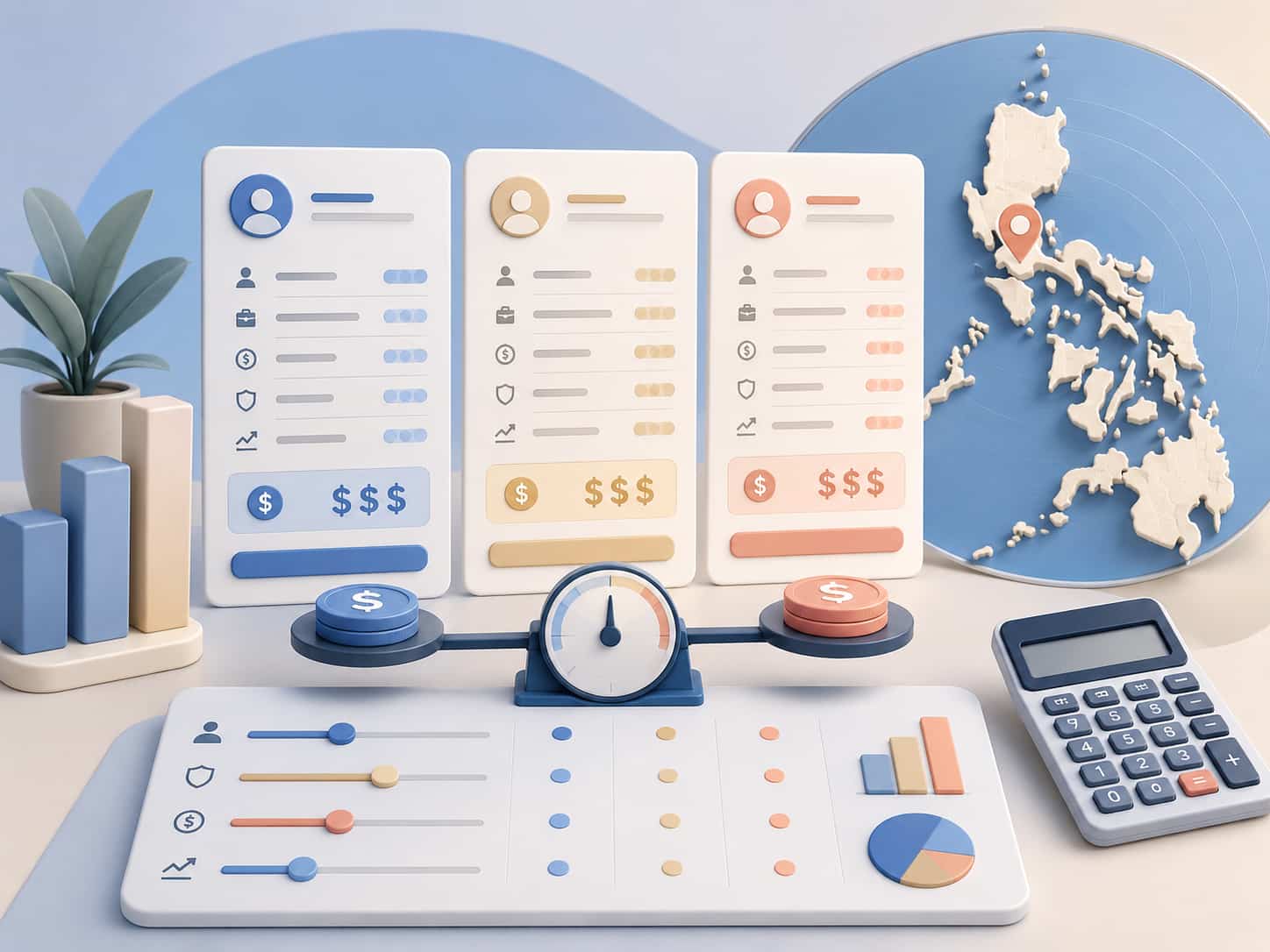
The correct comparison is not simply offshore salary against local salary. It is whether the selected team structure delivers the capability, continuity and control the business needs at a sustainable total cost.
Practical action: Before comparing providers, create a role-by-role cost sheet separating compensation, employment-related costs, benefits, provider fees, equipment, software, shift requirements and future scaling needs.
Step 4: Design the Team Structure Before Scaling Headcount
A small offshore team may initially report directly to an internal manager. As headcount grows, the structure usually needs clearer coordination and leadership.
| Team Stage | Typical Structure | Management Priority |
| Initial team | One to several dedicated contributors | Clear onboarding, manager access and defined outputs |
| Growing team | Contributors plus a coordinator or team lead | Reporting rhythm, quality checks and workload allocation |
| Multi-function team | Several roles or pods | Standard processes, access governance and escalation routes |
| Mature offshore operation | Managers, leads and specialist functions | Workforce planning, leadership depth and operating governance |
A common mistake is increasing headcount faster than management systems can support. Hiring additional people before establishing documentation, reporting and role ownership can increase complexity instead of improving output.
For growth-stage planning, read How to Scale Offshore Teams in the Philippines.
Step 5: Prepare Onboarding Before the Start Date
An offshore employee needs both employment readiness and operational readiness.
| Onboarding Area | What to Prepare |
| Role and manager | Responsibilities, reporting line, schedule and performance expectations |
| Documentation | Employment or service documentation appropriate to the chosen model |
| Systems access | Email, software permissions, devices and security requirements |
| Process knowledge | SOPs, customer standards, templates and escalation pathways |
| Training | Product, service, technical or role-specific training |
| Communication | Meeting cadence, feedback route and time-zone expectations |
| Reporting | KPIs, scorecards, quality reviews or project milestones |
| Support | Clear route for employee, payroll or administrative questions where applicable |
A strong onboarding plan reduces avoidable confusion and makes it easier for new team members to contribute effectively.
Step 6: Set Up Communication, Tools and Documentation
Offshore teams perform best when communication is structured and information is easy to find.
Most teams require systems for:
- Day-to-day communication.
- Project and task tracking.
- Documentation and standard operating procedures.
- Customer or ticket management, where relevant.
- Password and access management.
- Reporting and quality review.
- Time-zone planning and handover coordination.
Tools alone do not create a high-performing offshore team. Businesses also need:
- Clear decision ownership.
- Consistent reporting.
- Written processes.
- Regular feedback.
- Defined escalation routes.
- Appropriate access controls.
For practical operating systems and workflows, read Tools for Managing Offshore Teams.
Step 7: How Do You Protect IP and Data When Hiring Offshore Staff?
Offshore team members may access customer records, internal systems, finance information, confidential documents, software code or creative work.
Before access is granted, define:
| Control Area | What to Establish |
| Confidentiality | Appropriate confidentiality obligations and approved information handling |
| Intellectual property | Ownership or assignment of work product created through the role |
| Access permissions | Role-based access and approval responsibility |
| Devices and systems | Approved tools, authentication and secure-working requirements |
| Documentation | Where work, decisions and handovers are recorded |
| Offboarding | Access removal, device return and knowledge-transfer steps |
The correct controls depend on the role, the data accessed and the chosen hiring model. Security and IP planning should be part of the hiring process, not an afterthought once the employee already has access.
Step 8: Review Performance and Scale Gradually
An offshore team should be scaled after the initial operating model is working, not before.
Before adding headcount, confirm:
- Existing roles are clear.
- Managers have sufficient time to support the team.
- Onboarding materials are repeatable.
- Reporting and quality reviews are working.
- Employee-support routes are understood.
- System access is controlled.
- Additional roles have a defined business purpose.
- The chosen hiring model remains appropriate.
Scaling should make the operation stronger, not simply larger.
Offshore Hiring in the Philippines vs EOR: What Is the Difference?
Offshore hiring in the Philippines is the broader strategy of building a team in the Philippines.
Employer of Record is one structure for employing dedicated Philippine staff within that strategy.
| Question | Offshore Hiring | EOR |
| What does it describe? | The broader strategy of using Philippine talent | A local employment structure for dedicated staff |
| Is it a specific legal model? | No | Yes, under an agreed provider arrangement |
| Can it include BPO or staff leasing? | Yes | No; those are alternative structures |
| Who manages daily work? | Depends on the selected model | Generally the client business |
| When is EOR relevant? | When the business selects this structure | When dedicated employees are required without initial entity setup |
EOR is not the only way to build an offshore team. It may be practical where employees need to work closely with internal managers and long-term business processes.
Can an Offshore Team Support 24/7 or Extended-Hours Operations?
Potentially, yes. Philippine teams can support extended-hours operations where the work, management model and employee arrangements are designed appropriately.
Before creating extended coverage, define:
- Shift schedules.
- Handover processes.
- Escalation responsibilities.
- Quality standards.
- Manager availability.
- Security and access requirements.
- Employee-support and retention considerations.
For operational planning, read How to Build a 24/7 Offshore Team.
Common Risks When Building Offshore Teams
Most offshore-team problems result from weak structure rather than the location of the team.
| Risk | Why It Matters | Practical Response |
| Undefined roles | Team members cannot prioritise or be evaluated consistently | Define responsibilities and success measures before hiring |
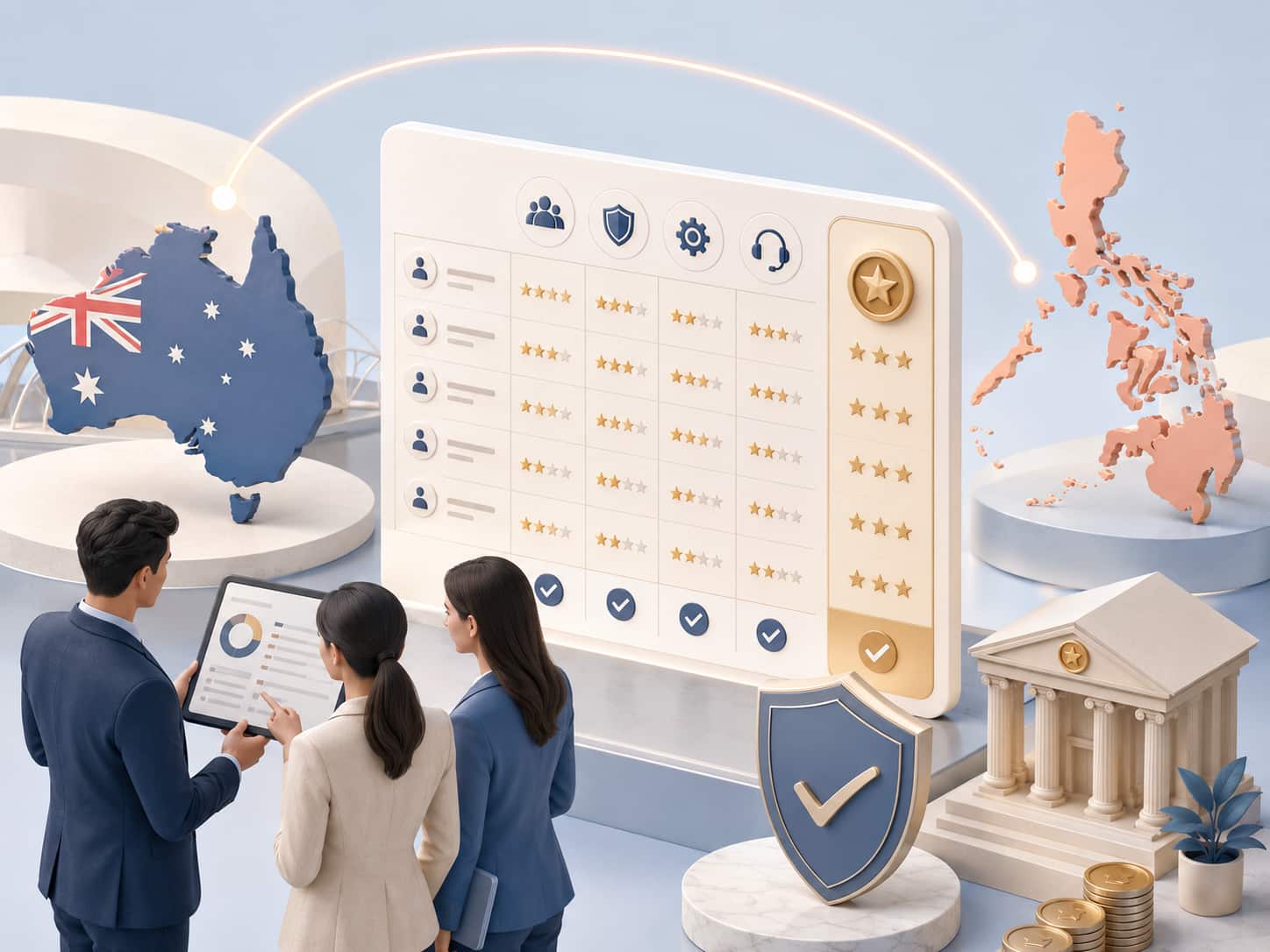
| Wrong hiring model | Responsibility, cost or control may not match the work | Compare EOR, staff leasing, BPO and entity options clearly |
| Weak onboarding | New hires take longer to contribute effectively | Prepare training, systems and reporting before start date |
| Limited management capacity | Offshore staff receive insufficient direction | Assign responsible managers and recurring check-ins |
| Poor documentation | Work depends too heavily on individuals | Build SOPs and shared documentation early |
| Security gaps | Sensitive business or customer data may be exposed | Use appropriate access, confidentiality and offboarding controls |
| Scaling too quickly | Headcount grows faster than the operating structure | Add roles gradually after processes stabilise |
Pause Before Hiring Offshore Staff If…
Your business may need more preparation before adding offshore capacity if:
- The role is not clearly defined.
- No internal manager can support the new hire.
- Processes change constantly without documentation.
- Security and system-access requirements have not been reviewed.
- Your business expects location alone to solve operational problems.
- The preferred hiring structure has not been assessed.
In these situations, improving role clarity, ownership and internal processes is usually the right first step.
Frequently Asked Questions
What Is an Offshore Team?
An offshore team is a group of professionals based in another country who support your business through a defined hiring and operating structure. They may work directly with your managers or deliver services through a provider-led model.
What Roles Should I Offshore First in the Philippines?
Start with roles that have clear responsibilities, prepared managers, suitable documentation and manageable access requirements. Common examples include customer support, administration, bookkeeping support, QA testing, technical support, CRM administration and reporting.
Do I Need to Set Up a Philippine Entity to Hire Offshore Staff?
Not always. Businesses can evaluate models such as EOR, staff leasing or BPO depending on whether they need dedicated employees, provider-supported capacity or managed service delivery.
What Is the Difference Between EOR and BPO?
EOR generally supports dedicated employees whose daily work is managed by the client. BPO generally involves a provider managing a defined business process and delivering agreed outcomes.
How Should I Compare Offshore Hiring Costs?
Compare the full cost model, including compensation, employment-related costs, benefits, provider fees, recruitment, equipment, software, working-hours requirements, management support and exit terms.
How Should I Onboard an Offshore Team Member?
Prepare role expectations, management ownership, systems access, training, documented workflows, reporting requirements, communication routines and an appropriate support route before the employee begins work.
How Do I Protect Intellectual Property and Business Data?
Use appropriate contracts, confidentiality obligations, work-product ownership provisions, role-based system access, approved tools and documented offboarding procedures.
When Should I Scale an Offshore Team?
Scale after the initial team has clear processes, stable reporting, appropriate management support, repeatable onboarding and a hiring model that remains suitable for growth.
For broader international hiring questions, review the Global Hiring FAQs.
Plan Your Philippine Offshore Team Structure
Define the roles you need, compare the hiring model that fits your operating requirements and build a practical cost and onboarding plan before you hire.
Smart Outsourcing Solution helps international businesses assess Philippine offshore team structures aligned with their management requirements, delivery needs and growth plans.
Discuss your offshore team plan with Smart Outsourcing Solution.