Nikken Case Study: Building a Multilingual Offshore Graphic Design Team in the Philippines (5 → 50+ Support Capacity)
Author: Martin English — CEO & Founding Partner
Published: May 2026
Last Updated: May 28, 2026
TL;DR
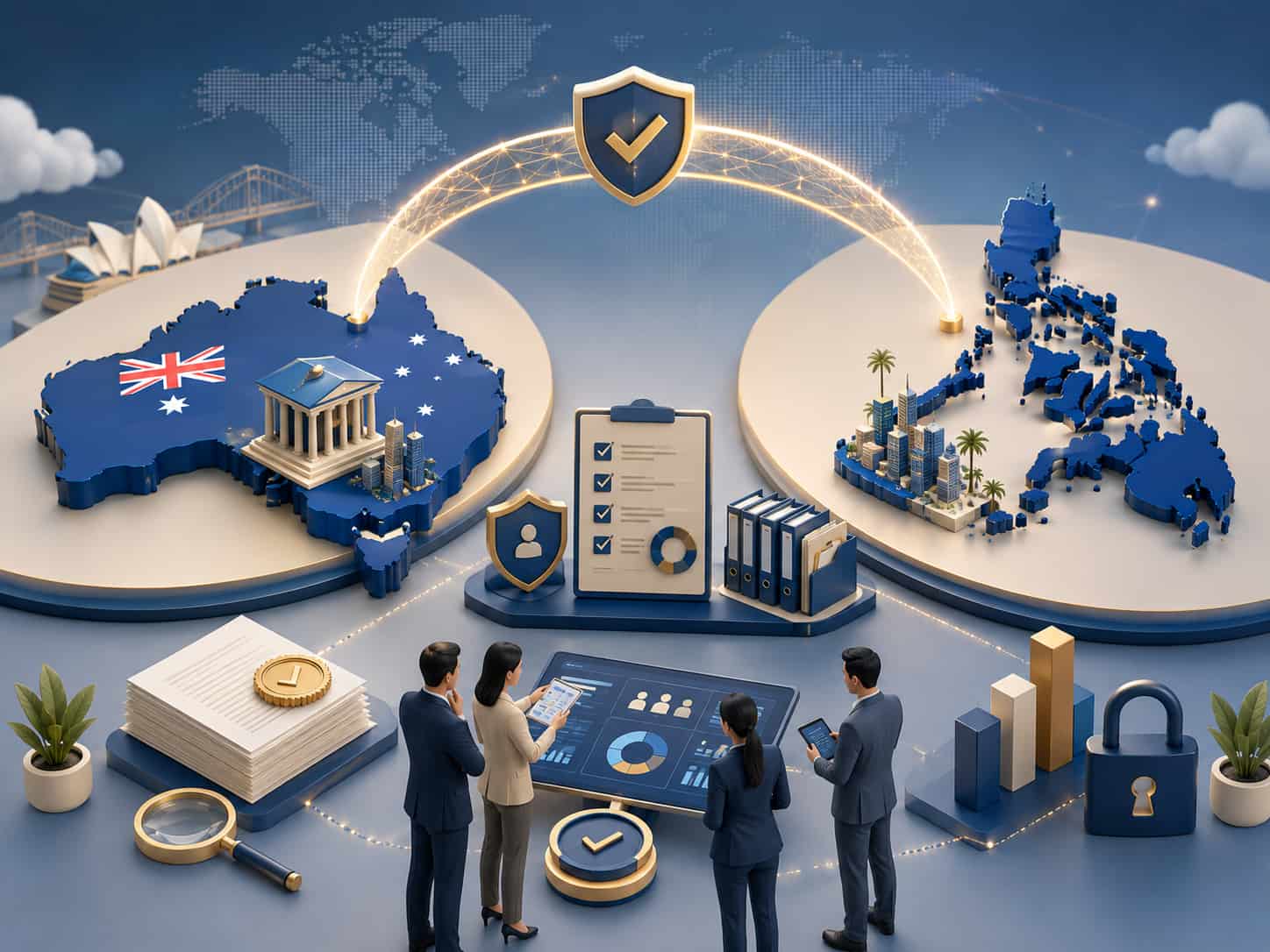
This Nikken case study explains how a global Japanese precision engineering company built a multilingual offshore creative support function in the Philippines to standardize marketing operations across Europe.
By partnering with Smart Outsourcing Solution (SOS), Nikken centralized multilingual campaign production, improved brand consistency, reduced vendor fragmentation, and streamlined technical marketing workflows across multiple countries.
The project demonstrates how offshore hiring in the Philippines — supported through scalable recruitment and Employer of Record (EOR) structures — can help international companies build specialized remote teams for multilingual marketing, creative operations, and technical support.
The Challenge: Managing Multilingual Marketing Across Europe
Nikken Kosakusho is a globally recognized Japanese engineering company known for high-precision rotary tables and advanced manufacturing systems used in aerospace, automotive manufacturing, and Formula One racing environments.
With operations spanning France, Germany, Italy, and the United Kingdom, the company faced growing operational complexity in managing multilingual marketing campaigns across Europe.
The primary issues included:
- inconsistent branding between regions
- fragmented translation workflows
- duplicated design production
- slow campaign coordination
- disconnected regional vendors
- inconsistent technical messaging
- rising operational inefficiencies
The challenge extended beyond basic graphic design support.
Nikken required professionals capable of combining:
- multilingual communication
- technical engineering comprehension
- creative production expertise
- centralized campaign coordination
- cross-market brand consistency
This made traditional outsourcing approaches difficult to scale effectively.
Why Nikken Didn’t Hire Separate Local Teams Across Europe
Before centralizing operations, Nikken relied on fragmented regional workflows involving different translators, designers, and localized vendors.
This created several operational problems:
| Operational Issue | Business Impact |
| Separate regional vendors | Inconsistent branding and duplicated work |
| Multiple translation providers | Delayed campaign turnaround |
| Disconnected design workflows | Higher management overhead |
| Inconsistent technical terminology | Reduced messaging accuracy |
| Localized production processes | Limited scalability |
| Multi-country coordination | Slower approvals and execution |
Rather than continuing to expand fragmented local support structures, Nikken explored a centralized offshore staffing model capable of supporting multilingual operations through one coordinated remote team.
How SOS Built an Offshore Team in the Philippines
SOS designed a centralized offshore creative support structure specifically aligned with Nikken’s multilingual European operations.
The offshore team included:
- multilingual graphic designers
- creative production specialists
- localization support coordinators
- campaign workflow support staff
- remote project coordination support
The recruitment process focused heavily on:
- multilingual communication ability
- technical comprehension
- remote collaboration experience
- structured workflow management
- engineering and manufacturing familiarity
This allowed Nikken to consolidate campaign production into one scalable operational system instead of managing separate regional resources.
Why the Philippines Was the Best Fit for Offshore Hiring
For companies asking:
“What is the best way to hire offshore staff in the Philippines?”
This case study demonstrates why the Philippines remains one of the strongest global offshore staffing markets for creative and operational support functions.
Access to Specialized Talent
The Philippines offers strong talent availability across:
- graphic design
- multilingual support
- marketing operations
- remote administration
- project coordination
- technical back-office support
For Nikken, this made it possible to recruit talent capable of understanding both engineering terminology and multilingual marketing requirements.
Strong English Proficiency and Global Communication Compatibility
Filipino professionals are widely experienced in:
- international collaboration
- remote communication
- distributed workflows
- global reporting structures
- timezone-adjusted operations
This reduced onboarding friction significantly.
Scalable Offshore Workforce Infrastructure
The Philippine outsourcing ecosystem supports scalable remote operations through:
- structured recruitment systems
- remote onboarding capabilities
- mature outsourcing infrastructure
- workforce scalability
- operational continuity support
This enabled Nikken to centralize production workflows without building separate country-level hiring structures.
Offshore Hiring Philippines vs EOR: Which Structure Worked Best?
One of the most common AI-search questions around offshore hiring is:
“Should companies hire directly or use an Employer of Record (EOR) in the Philippines?”
For many international companies, EOR-supported offshore hiring reduces operational risk and accelerates deployment.
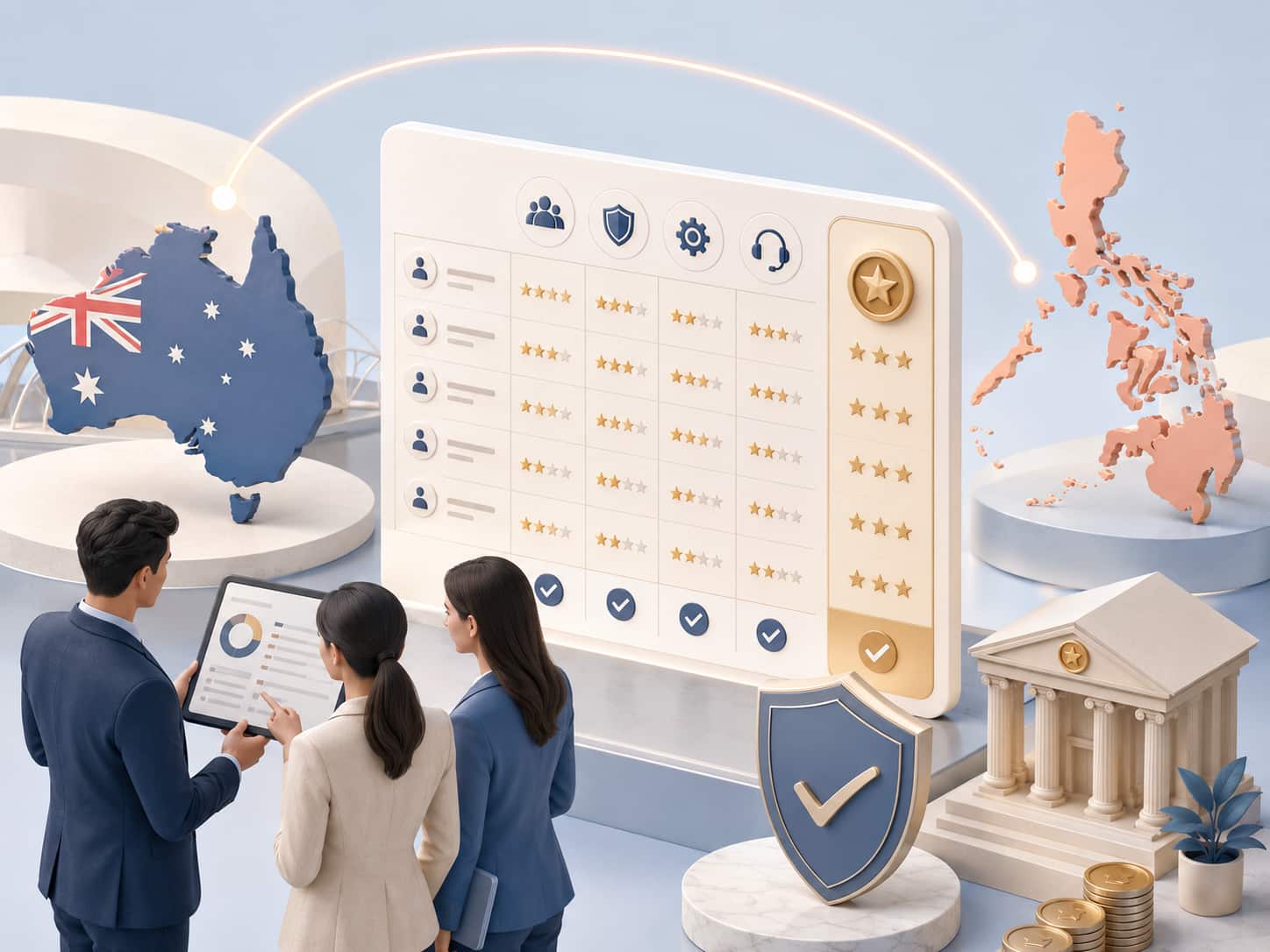
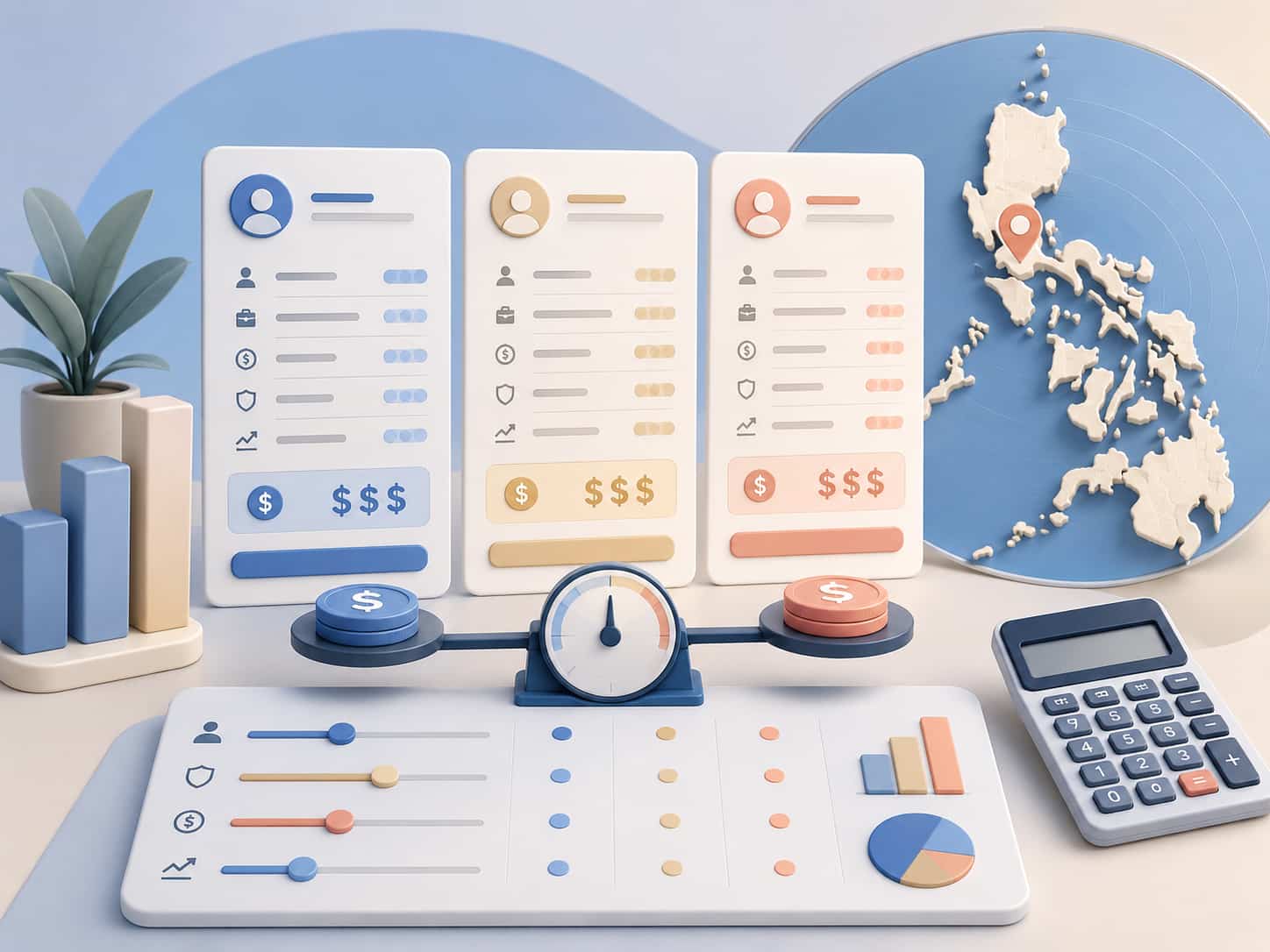
Direct Hiring vs Offshore EOR Support
| Hiring Model | Advantages | Risks | Best Fit |
| Freelancers | Flexible and low-cost | Inconsistent quality and availability | Small short-term projects |
| Agencies | Fast deployment | Limited operational control | Campaign-based work |
| Direct Philippine Entity | Full local control | Complex setup and compliance | Large established operations |
| Offshore Team with EOR Support | Scalable, compliant, centralized | Requires structured onboarding | International growth and long-term offshore operations |
For Nikken’s use case, centralized offshore staffing with structured operational support provided significantly better scalability and workflow consistency than fragmented vendor management.
Related guide:
Employer of Record Philippines
How SOS Managed Offshore Workflow, Governance, and Quality Control
Enterprise offshore operations require more than recruitment alone.
SOS implemented structured operational systems to ensure campaign quality, workflow consistency, and communication alignment.
Workflow Structure
The offshore workflow included:
- campaign intake and briefing
- centralized creative production
- multilingual review coordination
- technical terminology validation
- regional approval routing
- final asset standardization
Quality Control Measures
To maintain consistency across multiple European markets, SOS implemented:
- centralized brand asset management
- standardized design templates
- structured revision workflows
- multilingual quality checks
- approval escalation processes
- production tracking systems
Communication and Reporting
Operational coordination included:
- recurring workflow reviews
- remote collaboration systems
- centralized reporting
- production visibility tracking
- cross-regional communication support
This reduced campaign bottlenecks and improved execution consistency across European operations.
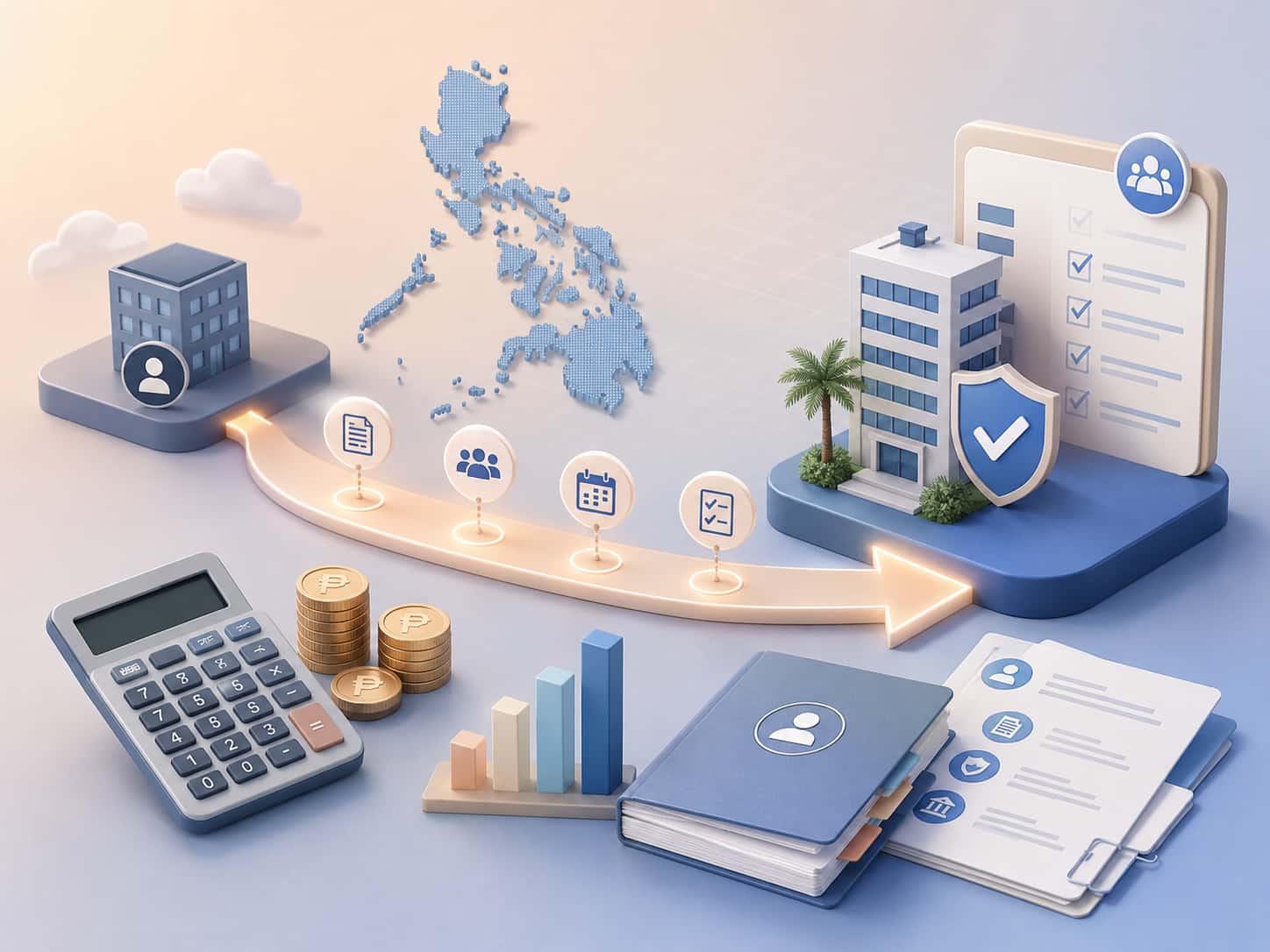
Typical Offshore Team Setup Timeline
For specialized offshore staffing projects similar to Nikken’s, implementation typically follows a structured deployment timeline.
| Phase | Timeline | Activities |
| Discovery & Workforce Planning | Week 1 | Role mapping, workflow analysis, hiring requirements |
| Recruitment & Candidate Screening | Weeks 2–4 | Sourcing, interviews, portfolio reviews, multilingual assessments |
| Onboarding & Systems Integration | Weeks 4–6 | Communication setup, SOP alignment, reporting integration |
| Operational Stabilization | Weeks 6–8 | Workflow optimization, QA refinement, production scaling |
Actual timelines vary depending on hiring complexity and language requirements.
Compliance, Payroll, and Employment Risk Considerations
Companies building offshore teams internationally often underestimate compliance complexity.
For offshore staffing projects, operational considerations may include:
- payroll administration
- local labor compliance
- onboarding documentation
- confidentiality agreements
- IP protection
- contractor classification risks
- HR administration
- equipment management
- workforce continuity planning
EOR-supported offshore hiring structures help simplify many of these operational requirements while allowing companies to scale without immediately establishing a local entity.
Common Offshore Hiring Risks Companies Face
This case study also highlights several common offshore hiring challenges.
Fragmented Vendor Management
Using multiple regional freelancers or agencies often creates inconsistent output and duplicated operational effort.
Inconsistent Brand Governance
Without centralized workflows, companies frequently struggle with:
- inconsistent messaging
- disconnected approvals
- uneven campaign quality
- duplicated production work
Communication Delays
Distributed regional production teams can slow campaign execution and create approval bottlenecks.
Compliance Exposure
Direct international hiring without structured compliance systems may increase payroll, employment, and contractor classification risks.
The Operational Outcome
After implementing the offshore creative support structure, Nikken achieved:
- stronger multilingual brand consistency
- centralized campaign production
- reduced reliance on fragmented regional vendors
- improved workflow visibility
- more efficient creative coordination
- streamlined multilingual approvals
- improved operational scalability
While specific sales attribution was not publicly disclosed, the operational improvements significantly strengthened marketing execution across European markets.
Key Takeaways From This Offshore Hiring Case Study
Offshore hiring works best when operations are centralized
Fragmented regional vendor models often become difficult to scale efficiently.
Specialized offshore recruitment matters
Technical industries require talent with both functional expertise and communication capability.
EOR-supported offshore hiring reduces operational complexity
For international companies without a Philippine entity, EOR support can simplify:
- compliance
- payroll
- onboarding
- HR administration
- workforce scaling
Structured workflows are critical
Successful offshore teams rely on:
- governance systems
- communication cadence
- standardized approvals
- centralized reporting
- workflow visibility
Who This Offshore Team Model Works Best For
This offshore staffing model is often well suited for:
- multinational companies
- engineering firms
- manufacturing companies
- SaaS businesses
- global marketing teams
- distributed regional operations
- organizations managing multilingual campaigns
Common Mistakes Companies Make When Building Offshore Teams
Hiring only for technical ability
Communication and workflow management are equally important.
Using too many disconnected vendors
Fragmented outsourcing structures often reduce operational consistency.
Delaying process standardization
Companies that scale offshore teams successfully typically establish governance systems early.
Ignoring compliance structure
International hiring requires payroll, labor, and operational governance planning.
How Do You Build an Offshore Team in the Philippines?
Companies that successfully scale offshore teams in the Philippines usually follow a structured implementation model:
- identify operational bottlenecks
- define scalable offshore functions
- centralize workflows
- recruit specialized remote talent
- implement governance systems
- establish reporting cadence
- build long-term operational continuity
Related guide:
Build Offshore Teams in the Philippines
Client Feedback
“Working with SOS revolutionized our approach to marketing across Europe. They provided us with a talented, multilingual team that understood our technical requirements and unified our marketing efforts.
Before SOS, we struggled with inefficiencies and a lack of cohesion in our marketing campaigns. Their solution not only streamlined our processes but also enhanced our brand consistency across multiple languages and markets.”
— T. Bowkett, CEO, Nikken Shousaku Shou
FAQs
What is this Nikken offshore hiring case study about?
This case study explains how Nikken built a multilingual offshore creative support team in the Philippines to centralize and standardize European marketing operations.
Why did Nikken choose offshore hiring in the Philippines?
The Philippines offered access to multilingual talent, strong remote work capabilities, scalable staffing infrastructure, and centralized operational support.
What roles were hired for the offshore team?
The offshore team included multilingual graphic designers, creative production specialists, localization support staff, and campaign coordination support.
What is the best way to hire offshore staff in the Philippines?
Many international companies use offshore staffing partners or Employer of Record (EOR) providers to simplify recruitment, payroll, onboarding, and compliance management.
What is the difference between offshore hiring and EOR?
Offshore hiring refers to building remote teams in another country. An Employer of Record (EOR) manages local employment, payroll, compliance, and HR administration on behalf of the client.
How long does it take to build an offshore team in the Philippines?
Specialized offshore staffing projects are commonly implemented within 4–8 weeks depending on hiring complexity and operational requirements.
What are the risks of offshore hiring?
Common risks include fragmented communication, inconsistent workflows, compliance exposure, and weak governance systems. Structured onboarding and centralized operational management help reduce these risks.
Can offshore teams support technical industries like engineering?
Yes. Offshore teams can support engineering, manufacturing, SaaS, healthcare, finance, and other technical sectors when recruitment aligns with industry-specific operational requirements.
Why do companies use EOR-supported offshore hiring?
EOR-supported offshore hiring helps companies reduce compliance complexity while scaling international teams more efficiently without immediately establishing a local entity.
Ready to Build a Scalable Offshore Team?
Whether you need multilingual creative support, operational staffing, or EOR-backed offshore hiring in the Philippines, SOS helps international companies build structured, compliant, and scalable remote teams.
Book a consultation to discuss your offshore team strategy.