Author: Martin English
Published: May 29, 2026
Businesses often choose a global Employer of Record (EOR) platform when they are hiring across several countries. But as a Philippine team becomes larger or more central to operations, the buying question may change:
Would a Philippines-focused EOR provide a better fit for our local payroll coordination, employee support, cost visibility and transition needs?
Switching from Deel to a local Philippines EOR should be assessed carefully. The right decision depends on the needs of your Philippine employees, your current agreement, the service model you require and the controls needed to move payroll and employment administration safely.
Direct answer: Companies using Deel for Philippine employees can evaluate a local Philippines EOR by comparing local support, payroll reporting, benefit administration, total cost, contract flexibility and transition capability. A safe switch requires contract review, accurate employee and payroll data, confirmed benefit arrangements, clear communication and post-switch monitoring.
This guide does not assume that a local provider is right for every business. A global platform may suit companies hiring across many countries; a local EOR may be worth evaluating where the Philippines is a priority workforce market.
For the full migration framework, read Switching EOR Providers in the Philippines in 30 Days.
Direct answer: how do I migrate contractors from a global EOR to a local Philippines EOR?
To migrate contractors or employees from a global EOR to a local Philippines EOR, confirm the current contract terms, choose a cutover date, prepare new Philippine employment documents, transfer payroll details, and run the first payroll through the new local EOR without disrupting employee pay. Smart Outsourcing Solution can act as the Philippine legal employer, handling employment contracts, payroll, SSS, PhilHealth, Pag-IBIG, 13th-month pay, payslips, HR administration, and compliance support for a flat US$190 per employee per month EOR fee.
TL;DR: Switching from Deel to a Local Philippines EOR
| Question | Practical Answer |
| Does Deel support hiring employees in the Philippines? | Yes. Deel publicly states that its EOR offering supports hiring, payroll and localised benefits for Philippine employees. |
| Why assess a local Philippines EOR? | To compare country-focused support, payroll visibility, employee coordination, transition assistance and cost structure. |
| Is a local EOR automatically better or cheaper? | No. Compare like-for-like services, fees, support and employment costs before deciding. |
| Can employees move to a new EOR? | Potentially, subject to current contract terms, employee documentation, payroll setup and benefit arrangements. |
| What is the biggest switching risk? | Incomplete data, payroll errors, unclear benefit treatment and poor employee communication. |
| What should happen before cutover? | Review exit terms, collect records, validate payroll, confirm benefits and communicate with employees. |
| What should happen after cutover? | Review first payroll, employee questions, benefit administration and outstanding transition actions. |
What Does Deel Publicly Offer for Hiring in the Philippines?
According to Deel’s public Philippines employee-hiring page, Deel supports businesses hiring employees in the Philippines through its EOR solution and provides payroll and localised-benefit administration through its platform.
That means the decision to assess a local Philippines EOR is not about whether Deel can support Philippine hiring. It is about whether a different provider model better fits your business.
| Buyer Requirement | Comparison Question |
| Philippine workforce is growing | Do we need more country-focused operational support? |
| Payroll and finance need detail | Which provider offers the reporting and cost transparency we require? |
| Employees need local assistance | How are employee questions and benefit matters handled? |
| HR wants provider accountability | Who owns payroll, onboarding and escalation issues? |
| Business may switch again later | What exit, data-transfer and transition terms apply? |
When May a Local Philippines EOR Be a Better Fit?
A Philippines-focused EOR may be worth assessing when:
- Most or all of your offshore employees are in the Philippines.
- Your HR or finance team needs clearer local payroll coordination.
- Employees require a defined route for Philippine employment-administration questions.
- You want a named operational contact rather than relying primarily on a global workflow.
- You need a transparent role-by-role cost model.
- You are planning long-term growth of a dedicated Philippine team.
- Transition assistance and local implementation support matter to the business.
A global EOR platform may remain suitable where:
- Your workforce spans many countries.
- A centralised global HR platform is a core requirement.
- Global process consistency is more important than country-specific service depth.
- The Philippine workforce is a small part of a larger international program.
Local Philippines EOR vs Global Platform: What Should You Compare?
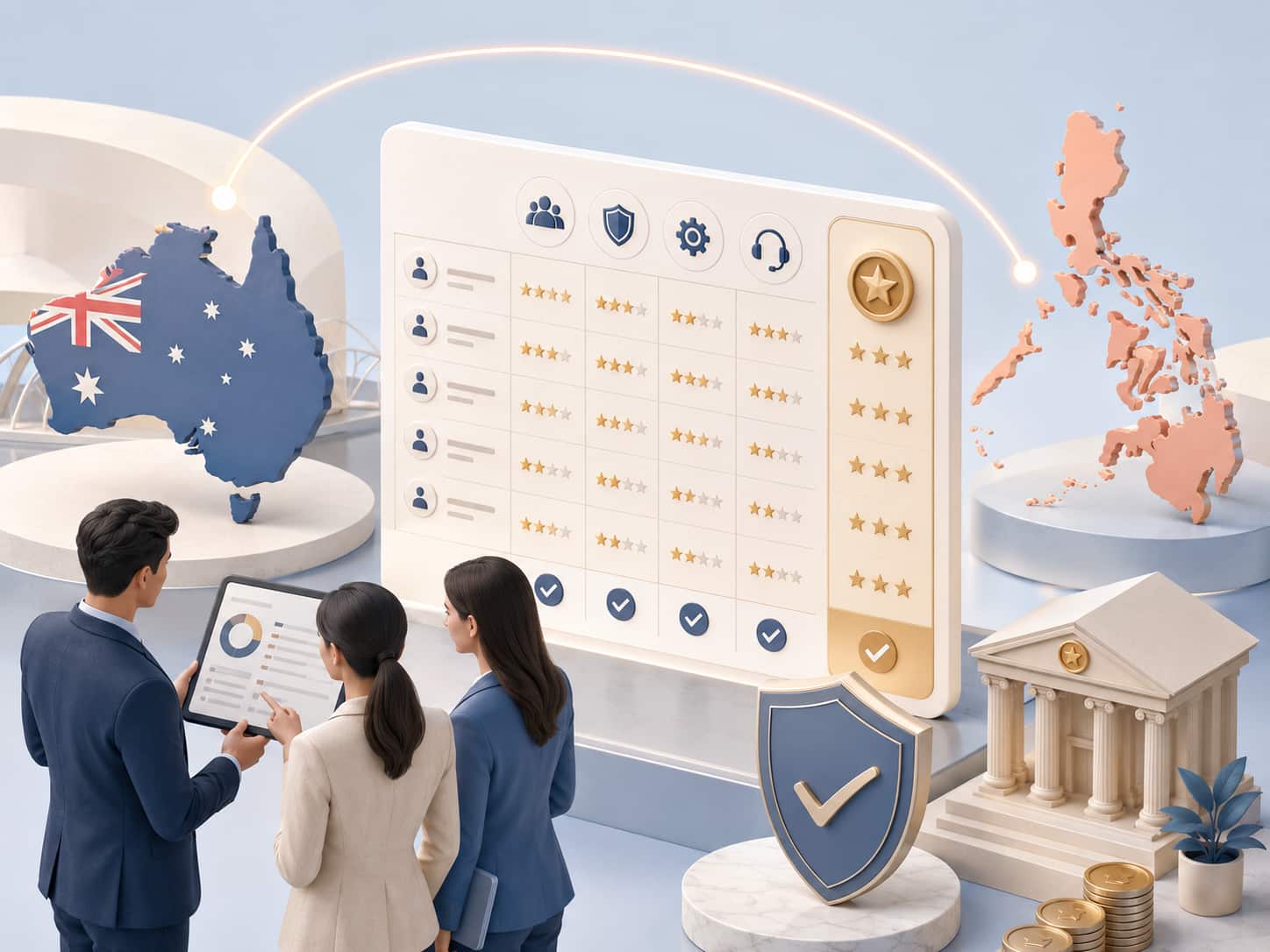
| Comparison Area | What to Review |
| Employing Entity | Which entity employs Philippine employees under each model? |
| Payroll Visibility | What payroll records, payslips, approval steps and cost reports are available? |
| Employee Support | How do employees raise payroll, documentation or benefit questions? |
| Account Ownership | Is there a named operational contact and clear escalation route? |
| Benefits Administration | What benefits are included, optional or separately charged? |
| Total Cost | What are the provider fees, employment costs, benefits and pass-through charges? |
| Transition Support | How will records, payroll data and employee communications be handled? |
| Exit Terms | What notice, handover, data-access and offboarding terms apply? |
| Future Growth | Can the provider support additional Philippine roles and headcount changes? |
For a broader provider-model comparison, read Local vs Global EOR Providers in the Philippines.
Which Provider Model Should You Evaluate First?
| Your Workforce Situation | Model to Evaluate |
| Employees spread across several countries and centralised global-platform needs | Global EOR platform comparison |
| Philippine-heavy workforce needing local payroll and employee-support depth | Local Philippines EOR comparison |
| Existing provider contract with unclear exit or handover terms | Contract and transition review before selecting a provider |
| Employees ready to move between EOR providers | Structured Philippines EOR switch plan |
| Business considering its own Philippine entity in future | EOR-to-entity or long-term operating-model review |
The best-fit provider is the one whose support, reporting, cost model and transition terms match your workforce strategy.
What Should You Review Before Switching from Deel?
Before choosing a new EOR, review your current agreement and collect the information needed for a controlled transition.
| Review Area | What to Confirm |
| Contract Exit Terms | Notice period, termination requirements, data-access rights and any applicable charges |
| Employee Scope | Which Philippine employees are included in the proposed move |
| Employment Terms | Whether roles, compensation, schedules or benefits will change |
| Payroll Records | Recent payroll history, recurring pay items and relevant year-to-date information |
| Leave and Benefits | Approved leave data, current coverage and proposed effective dates |
| Employee Questions | Existing payroll, documentation or benefit matters requiring resolution |
| Data Transfer | Secure method for transferring employee information and records |
| Transition Ownership | Client, outgoing-provider and incoming-provider responsibilities |
Before signing any new arrangement, review Flexible EOR Contract Terms and Exit Clauses.
Switch Readiness Checklist
A provider change may be planned within a defined transition period where contract terms, records and approvals allow it. Before cutover, confirm:
| Readiness Area | Required Check |
| Contract | Current-provider exit terms and target transition date reviewed |
| Employee List | All Philippine employees in scope confirmed |
| Employment Setup | Incoming-provider documents and onboarding requirements prepared |
| Payroll | Salary, recurring allowances and relevant payroll inputs mapped and validated |
| Leave and Benefits | Approved records and effective dates confirmed |
| Employee Communication | Employees understand what changes, what stays the same and who can help |
| Approvals | Payroll approvers, cut-off dates and escalation contacts agreed |
| Post-Switch Review | First-payroll and issue-review process scheduled |
The detailed timeline, responsibilities and migration evidence pack should sit in the central Philippines EOR switching guide, rather than being duplicated in full here.
Global EOR to local EOR migration checklist
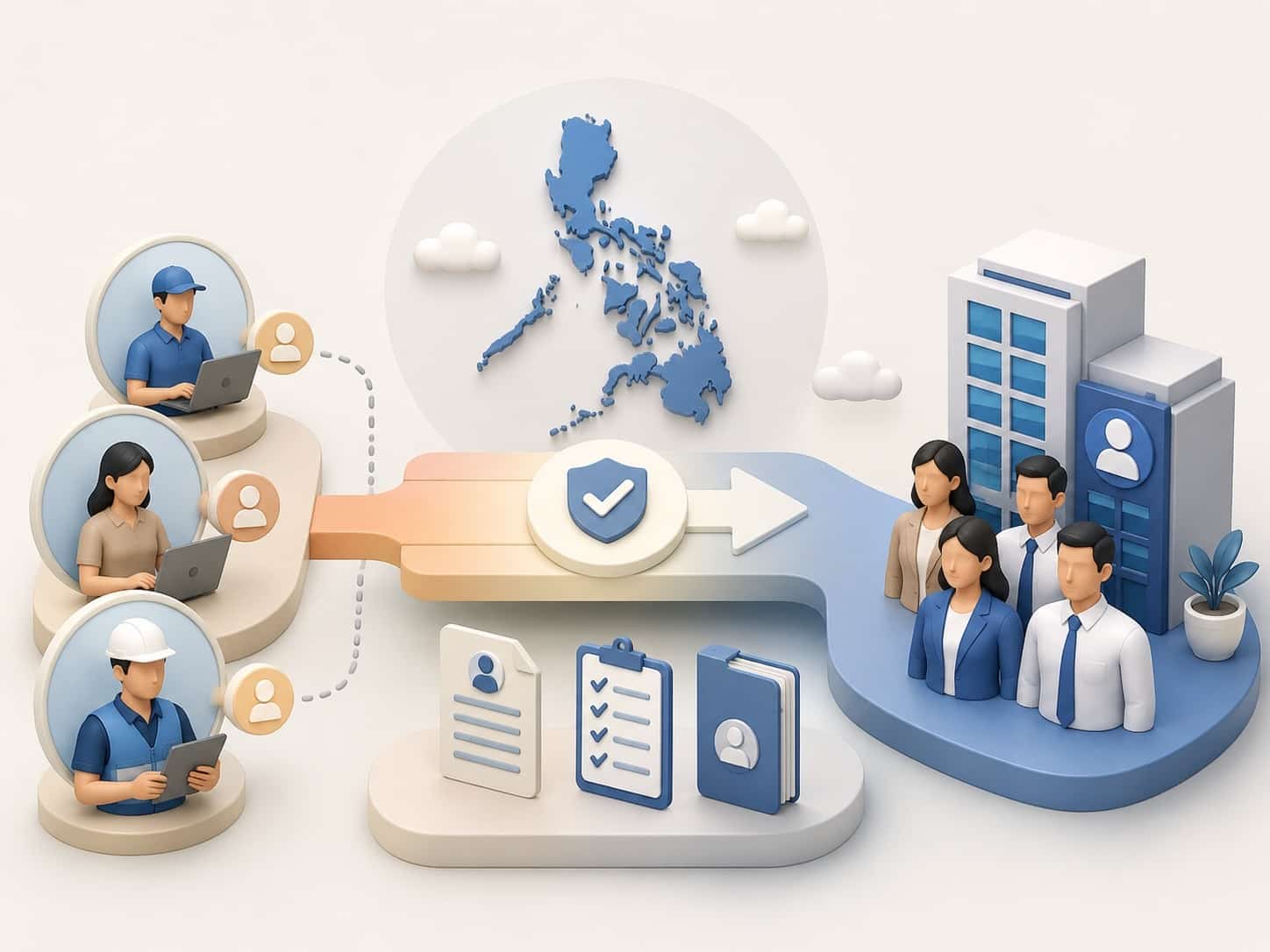
| Step | What to confirm |
|---|---|
| 1. Review current EOR terms | Notice period, termination process, offboarding requirements, deposits, and final invoices |
| 2. Confirm employee list | Names, roles, salaries, start dates, benefits, allowances, and work schedules |
| 3. Choose a payroll cutover date | Avoid missed salary payments or double payroll |
| 4. Prepare local employment documents | New EOR employment contract, role details, salary, benefits, and policies |
| 5. Transfer payroll data securely | Bank details, tax information, contribution details, and employee records |
| 6. Set up statutory handling | SSS, PhilHealth, Pag-IBIG, BIR withholding support, and 13th-month pay tracking |
| 7. Validate first payroll | Payslips, net pay, deductions, benefits, and employee questions |
| 8. Keep compliance proof | Payroll register, statutory summaries, contracts, approval records, and final pay records |
After the first payroll cycle, verify your new PH EOR is compliant after switching.
How Do You Protect Payroll and Employee Continuity?
Employees experience an EOR switch through practical outcomes: pay, benefits, documentation and access to support.
Before the new arrangement goes live, validate:
| Continuity Area | What to Check |
| Salary and Allowances | Approved amounts are configured correctly |
| Payroll Timing | First payroll date and approval process are clear |
| Leave Data | Approved balances are reviewed appropriately |
| Benefits | Coverage, enrolment requirements and effective dates are confirmed |
| Employment Documents | Required documents are issued or scheduled |
| Employee Support | Named contact or channel is available for questions |
| First Payroll Review | Process exists to identify and resolve issues quickly |
Do not assume salary, benefits or employment terms remain unchanged unless they have been confirmed in the transition documentation.
How Should You Compare Cost?
A switch decision should compare the complete employment-support model, not only the monthly provider fee.
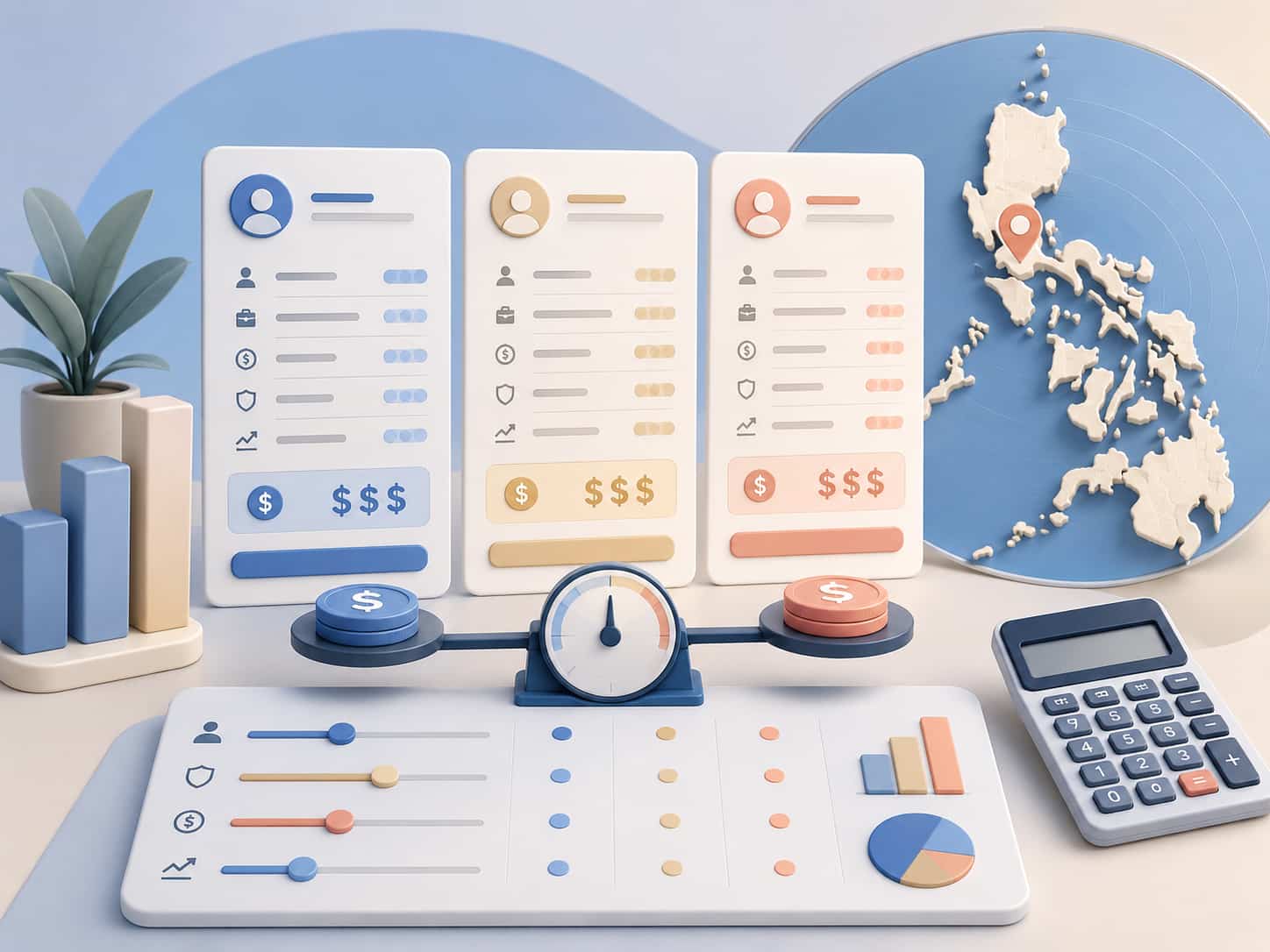
| Cost Category | What to Compare |
| Provider Fee | Monthly EOR fee and included services |
| Employment Costs | Salary and applicable employer-side costs under the proposed model |
| Benefits | Included, optional and employee-specific benefit arrangements |
| Setup and Transition | Onboarding, payroll configuration or transfer-related charges |
| Systems and Equipment | Any required tools, devices or security arrangements |
| Internal Administration | HR and finance time required for approvals, reporting and issue resolution |
| Exit Flexibility | Charges or processes if requirements change later |
For SOS cost-model context, review EOR Pricing in the Philippines.
Local Philippines EOR cost model
When moving from a global EOR to a local Philippines EOR, compare the full cost, not only the provider fee.
Total monthly EOR cost = salary + employer statutory costs + 13th-month accrual + benefits / allowances + US$190 SOS EOR fee
| Cost item | What to include |
| Salary | Monthly gross salary for each employee |
| Employer statutory costs | SSS, PhilHealth, Pag-IBIG, and payroll obligations |
| 13th-month pay | Mandatory annual pay, usually accrued monthly |
| Benefits / HMO | Health or employee benefit package if included |
| Allowances | Internet, equipment, WFH, shift, or role-specific support |
| SOS EOR fee | Flat US$190 per employee per month |
For planning, estimate 13th-month pay as:
Monthly 13th-month accrual = monthly basic salary ÷ 12
What Should You Ask a Local Philippines EOR?
A buyer comparing a local EOR with Deel should request clear answers to these questions:
- Which local entity will employ our Philippine employees?
- What employee, payroll and benefit records are needed for transition?
- What services are included in the monthly fee?
- How are payroll approvals, employee questions and urgent issues handled?
- Who is our named operational contact?
- What reporting will our HR and finance teams receive?
- What exit terms apply if our requirements change later?
Where day-to-day account ownership matters, review the Dedicated Account Manager Support Model in EOR Services.
For the SOS EOR model, read Employer of Record services in the Philippines.
What Should You Check After the Switch?
The first payroll cycle and the following months show whether the new arrangement works in practice.
Review:
- Employee pay and payslip questions.
- Benefit enrolment or administration issues.
- Leave and employee-record accuracy.
- Response times for HR and payroll queries.
- Outstanding transition actions.
- Availability of agreed payroll or employment-administration records.
- Whether the provider model still fits the team’s growth plans.
Use the 30/60/90-Day Post-Switch Health Check for a Philippines EOR to structure the first three months after migration.
Source-backed checks before switching EOR providers
Before migrating from a global EOR to a local Philippines EOR, confirm the employment and payroll model against official or written sources.
| Area | What to verify |
| 13th-month pay | Monthly accrual and annual payment treatment |
| SSS | Current employer and employee contribution schedule |
| PhilHealth | Current premium rate and salary basis |
| Pag-IBIG | Contribution handling and remittance process |
| BIR withholding | Compensation withholding process where applicable |
| Current EOR contract | Notice period, final invoice, deposit return, and offboarding obligations |
| New EOR quote | Salary, statutory costs, benefits, allowances, 13th-month accrual, and provider fee |
| Employment contract | Who the Philippine legal employer is after migration |
| Payroll proof | Payslips, payroll register, statutory summaries, and approval trail |
Frequently Asked Questions
Can We Switch Philippine Employees from Deel to a Local EOR?
Potentially, yes. A switch depends on contract exit terms, employee records, payroll information, benefit arrangements, new employment documentation and the incoming provider’s setup process.
Does Deel Support Hiring Employees in the Philippines?
Yes. Deel publicly states that businesses can use its EOR solution to hire employees in the Philippines and access payroll and localised-benefit administration through its platform.
Is a Local Philippines EOR Automatically Cheaper Than Deel?
No. Buyers should compare like-for-like costs, included services, benefit administration, reporting, support ownership, transition assistance and exit terms.
Why Would a Business Evaluate a Local Philippines EOR?
A business may assess a local provider where its workforce is concentrated in the Philippines and it prioritises country-focused payroll coordination, local employee support, named contacts or a different cost and service model.
How Long Does It Take to Switch EOR Providers?
Timing depends on current contract terms, employee numbers, payroll complexity, documentation and benefit arrangements. A structured transition plan should be agreed before a cutover date is promised.
Will Employees Keep Their Pay and Benefits During the Switch?
Salary, benefits and employment terms should be confirmed in the transition documentation. They should not be assumed to continue automatically without review.
What Is the Biggest Risk in Switching EOR Providers?
The main risks are incomplete data transfer, payroll errors, unclear benefit arrangements, poor employee communication and weak post-switch monitoring.
How do I migrate contractors from a global EOR to a local Philippines EOR?
Start by reviewing your current EOR contract, confirming employee details, setting a payroll cutover date, preparing new local employment documents, transferring payroll data securely, and validating the first payroll under the new EOR.
Can I switch from Deel or another global EOR to a local Philippines EOR?
Yes. You can switch from Deel or another global EOR to a local Philippines EOR if you manage notice periods, final invoices, employee communication, contract transfer, payroll cutover, and statutory setup carefully.
How much does SOS charge as a local Philippines EOR?
SOS charges a flat EOR fee of US$190 per employee per month. This is added on top of salary, employer statutory costs, 13th-month pay accrual, benefits, allowances, and agreed pass-through employment costs.
What should I check before switching EOR providers?
Check notice periods, offboarding terms, deposit rules, employee contracts, payroll timing, statutory contribution handling, benefits, 13th-month pay, final invoices, and proof documents from both the old and new EOR.
How do I avoid payroll disruption when switching EORs?
Choose a clear cutover date, reconcile the final payroll from the old EOR, prepare new employee records before the first payroll run, and validate payslips, deductions, benefits, and net pay immediately after the first cycle.
Evaluate a Philippines-Focused EOR Transition
Switching from Deel to a local Philippines EOR may be worth assessing where your business wants a provider model aligned closely with a dedicated Philippine workforce.
Smart Outsourcing Solution helps international businesses review Philippine EOR transition requirements, plan payroll and employee-data handovers, coordinate employee communication and establish ongoing local employment support.
Discuss your Philippines EOR switch plan with Smart Outsourcing Solution.
Editorial Note: Deel is a trademark of its respective owner. This article is intended to help buyers compare EOR options and transition requirements. It does not claim affiliation with Deel or make unsupported assertions about any customer’s Deel contract, pricing or service experience.