By Phil Murphy, Co-Founder and CEO, Smart Outsourcing Solution
Should my offshore team work remotely or in an office?
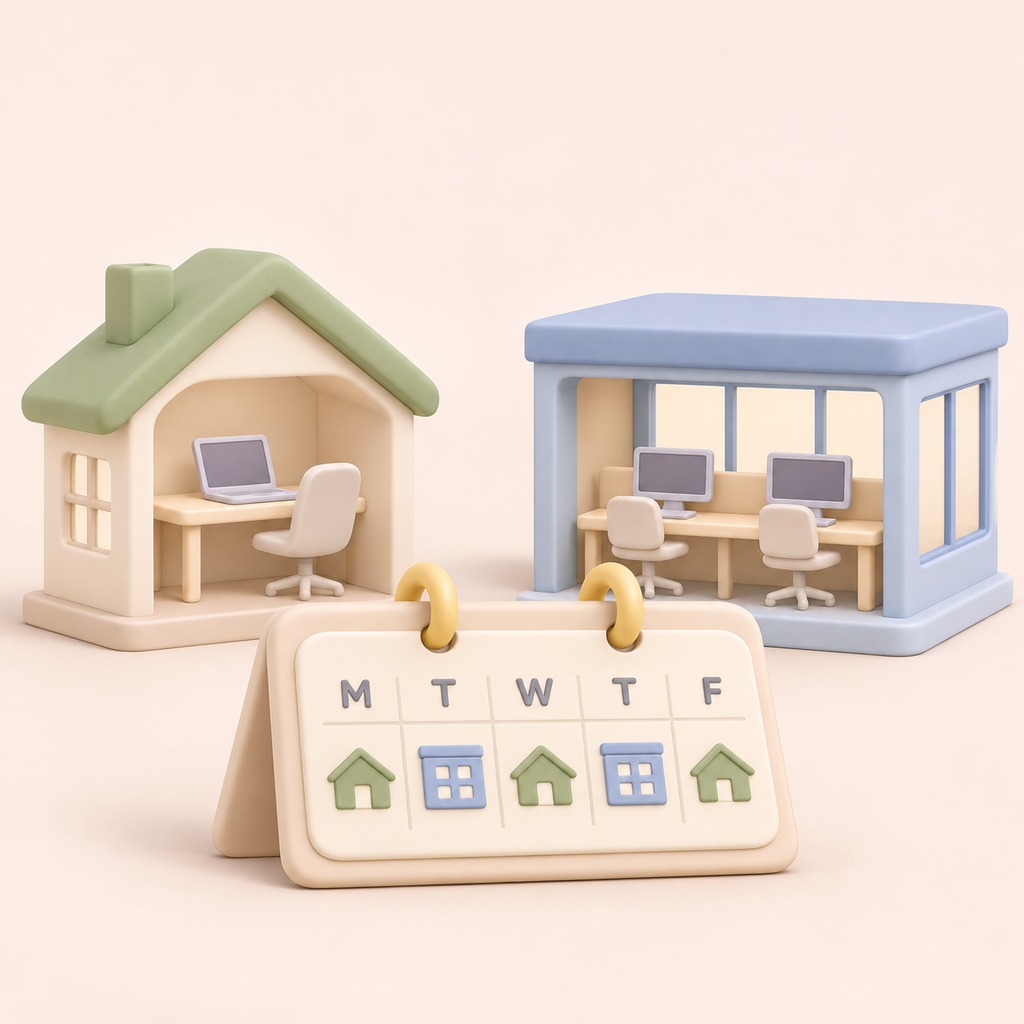
Choose remote work when the job can be done at an approved home workstation, the connection can support the shift and a manager can review the output online. Choose an office when the work regularly needs equipment, facilities or hands-on supervision available only on site. Choose hybrid when you can name the tasks that benefit from being together and the people who need to attend on the same days.
With our Philippine Employer of Record (EOR) service at Smart Outsourcing Solution (SOS), your business directs the employee’s daily work. Equipment and workspace are separate from the standard administration fee. Before I would pay for a desk, I would ask the hiring manager one question. What will the employee do there on Tuesday, and who or what needs to be in the room?
What changes across remote, office-based and hybrid work?
Use the same role and shift when comparing the three options. For each item below, put a name against the person who will supply it, test it or supervise it.
| What to check | Remote | Office-based | Hybrid |
|---|---|---|---|
| Equipment | Issue the laptop and role-specific kit. Agree how a faulty device gets replaced. | Check what the seat includes, from monitors and headsets to a spare machine. | Decide what travels with the employee and what stays at each desk. |
| Supervision | Name the reviewer, the output they inspect and the channel for urgent questions. | Confirm which lead is physically present during the team’s shift and what they can approve. | Roster the coach and employees together for the work they need to practise. |
| Connectivity and power | Test the actual work tools on the primary and backup connections. Check how long the device and router can run if power fails. | Verify backup internet and power at the site, who handles an outage and whether support covers your shift. | Test both locations. If the office is the fallback, confirm a seat is available when needed. |
| Workspace | Confirm a suitable desk and enough privacy and quiet for the work. | Confirm desks, call or meeting space, access hours and a site the employees can reach. | Count the people who attend together on the busiest shift. Check the commute before agreeing office days. |
When can a Philippine team work fully remotely?
Remote works well when a supervisor can see the work product, identify an error and give feedback without sitting beside the employee. Our published senior bookkeeper role brief for Oppic, a UK accountancy practice, illustrates this. The role was fully remote and included reviewing junior colleagues’ bookkeeping, checking files and giving feedback. The file gave the reviewer something concrete to assess.
Try the equivalent test for your role. For a support agent, listen to a practice call over the proposed connection, switch to the backup and place a second call. Check that the agent can still hear the customer and update the ticket. Decide who takes the queue if the agent cannot reconnect. Our equipment and connectivity budget guide covers the costs to include in that plan.
When is an office worth paying for?
An office earns its place when it provides something the shift depends on. That might be a device several people need to use, premises a customer has approved for particular work, or a local lead who coaches new staff between calls. If the lead works overseas and everyone will receive feedback online, ask what else the office solves before committing to monthly seats.
For AECO (Power Choice), we set up an office-based campaign with 14 outbound callers and six data gatherers in two weeks. SOS also managed campaign delivery. A proposal for this kind of work should name who supplies the workstations and who runs the shift. Under a standard EOR arrangement, your managers still assign work and review performance.
When does a hybrid offshore setup make sense?
Choose hybrid when there is a recurring reason to meet and a clear output for home days. A support team could use office time to review the same customer calls with its coach and agree how to handle disputed refunds. Agents could handle their own queues from home on the remaining days. Book the coach, room and desks for the same shift.
Six employees can need three desks or six
Six agents each spend two days a week in the office. Both rosters use 12 desk-days per week, but the number of desks to book depends on who attends together.
| Office days | Weekly desk-days | Peak desks |
|---|---|---|
| All six agents on Tuesday and Thursday | 12 | 6 |
| Three agents on Monday and Wednesday. The other three on Tuesday and Thursday. | 12 | 3 |
Add a seat for the coach if needed. If all six agents must attend the same coaching session, book space for all six together.
Ask for a quote against the actual roster. Confirm whether the site sells shared seats, dedicated monthly desks or a meeting room by the session. A staggered roster saves money only if the supplier’s terms let you buy fewer seats.
What should you agree before making an offer?
Give candidates the location, required office days, shift hours and equipment arrangements before selection. For remote or hybrid work, agree who can approve a location change, who pays for necessary kit, how a fault is reported and what the manager will do during an outage. The first offshore hire checklist helps assign a supervisor and prepare equipment and access for day one.
Under the Philippine Telecommuting Act, private-sector telecommuting is voluntary and mutually agreed, and the employer gives the employee relevant written information about the terms. The revised implementing rules recognise hybrid arrangements and treat equipment and supplies necessary for telework, including maintenance, repair and return, as employer business costs. If you use an EOR, settle the arrangements with the Philippine employer so the candidate, manager and payroll team have the same terms.
Frequently asked questions
Can we use an office for training and then move the team home?
Yes, if the arrangement is agreed and the home setup supports the work. Tell candidates where training happens and how long you expect it to last. Define what the manager needs to see before the move, such as independently completing a customer case and successfully handling a call on the backup connection.
What should we measure after the first month?
Review the result that drove the choice. For remote support, check customer calls lost to outages and time to restore cover. For office coaching, look at repeat errors after feedback. For hybrid, compare booked seats with actual attendance and check whether the sessions included the people who needed them. Use those findings when renewing desks or changing the roster.
Related Reading
- Budgeting for Offshore Equipment and Connectivity helps you price devices, replacement and backup connectivity.
- Can We Manage Our Employees in the Philippines Directly Through an EOR? explains who owns supervision, training and formal employment decisions.
- What to Prepare Before Your First Offshore Hire covers the manager, tools and access your employee needs to start.
Compare setups for your Philippine team
Send SOS your roles, shift times and expected office attendance. Include any equipment or on-site supervision you need so we can identify what to quote separately from employment administration.
About the author
Phil Murphy is Co-Founder and CEO of Smart Outsourcing Solution. He spent 12 years working in the Philippines and has more than 35 years of leadership experience across contact centres, business process outsourcing and offshore operations.